The botanical ecology of wild conehead thyme (Thymus capitatus / Coridothymus capitatus) in southern Albania: thymol chemotypes, antimicrobial kinetics, and raw wildflower honey.
A scientific review of hydroxytyrosol and oleuropein aglycones in indigenous Kalinjot olive oil: the cardiovascular evidence, the regulator-recognised polyphenol claim, and what requires a lab result first.
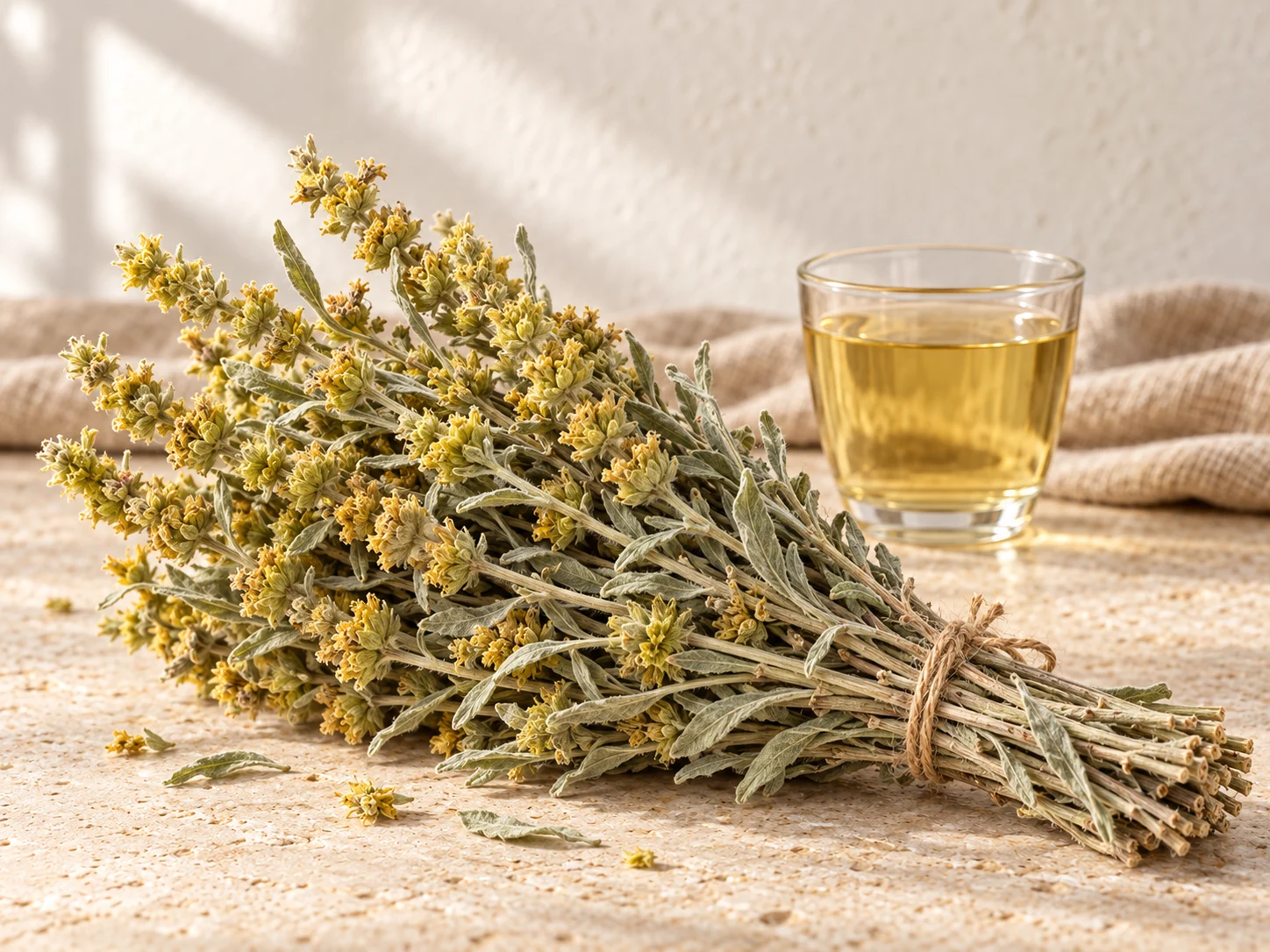
A comparative botanical review between the two prominent Balkan mountain teas: Sideritis scardica and Sideritis syriaca, their subalpine adaptations, and polyphenolic concentrations.
Understanding the botanical connection and terroir differences between Greek and Albanian mountain tea (Sideritis): high-altitude wild foraging versus cultivated fields.
Why Albania is the world epicenter for wild-foraged culinary and aromatic sage (Salvia fruticosa / Salvia officinalis): high essential oil content, rocky limestone slopes, and steam infusion rituals.
A practical comparison between Balkan mountain tea (Sideritis) and German chamomile (Matricaria): what the trials actually measured, and how to brew each for the evening.
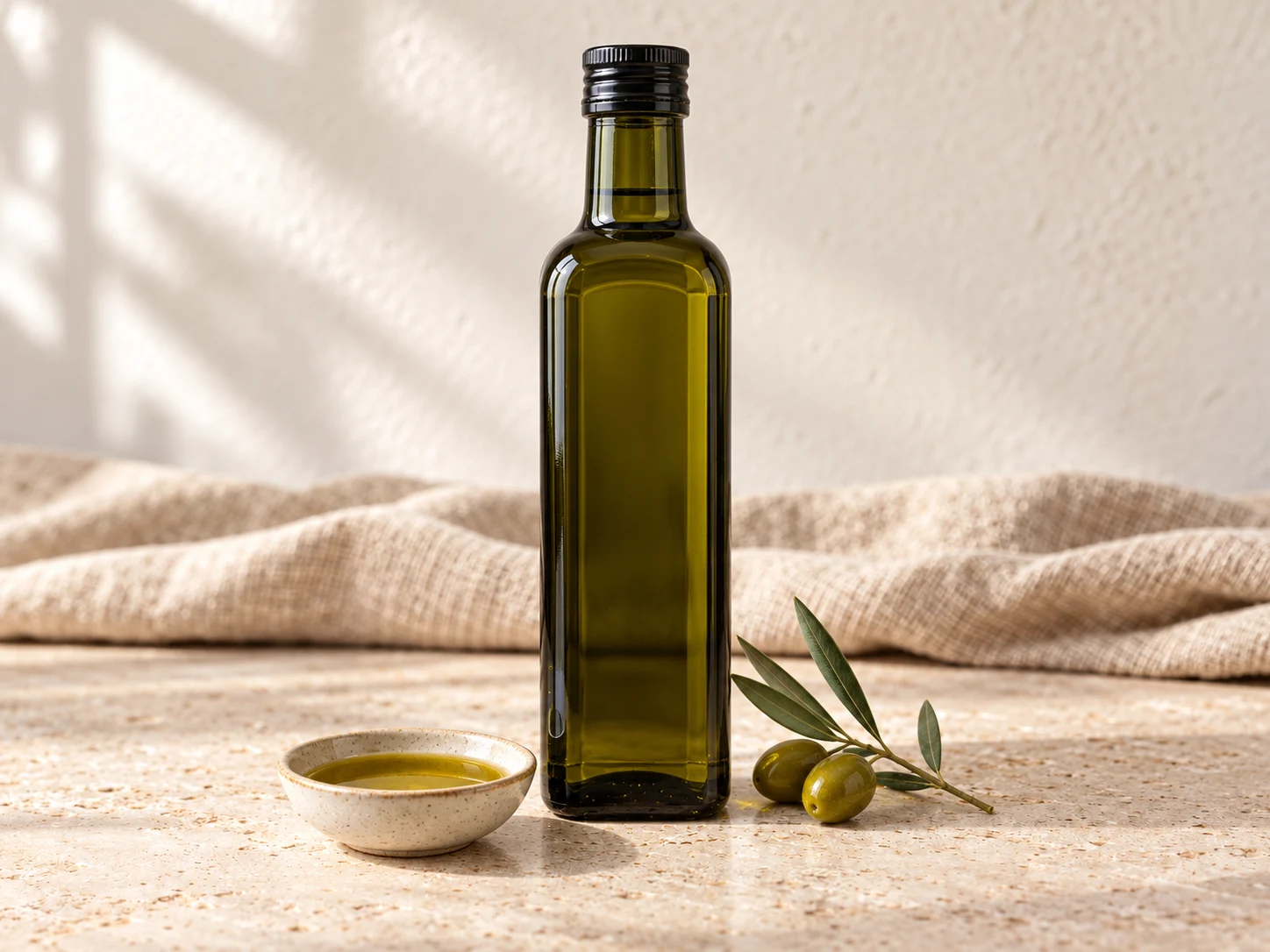
Why Albania's indigenous Kalinjot olive cultivar yields early-harvest extra virgin olive oil with intense peppery finish from oleocanthal, and how terroir shapes its character.
A detailed phytochemical review of Balkan mountain tea (Sideritis scardica): the specific flavonoids, verbascoside, diterpenes, and altitude stress factors that define its biological profile.
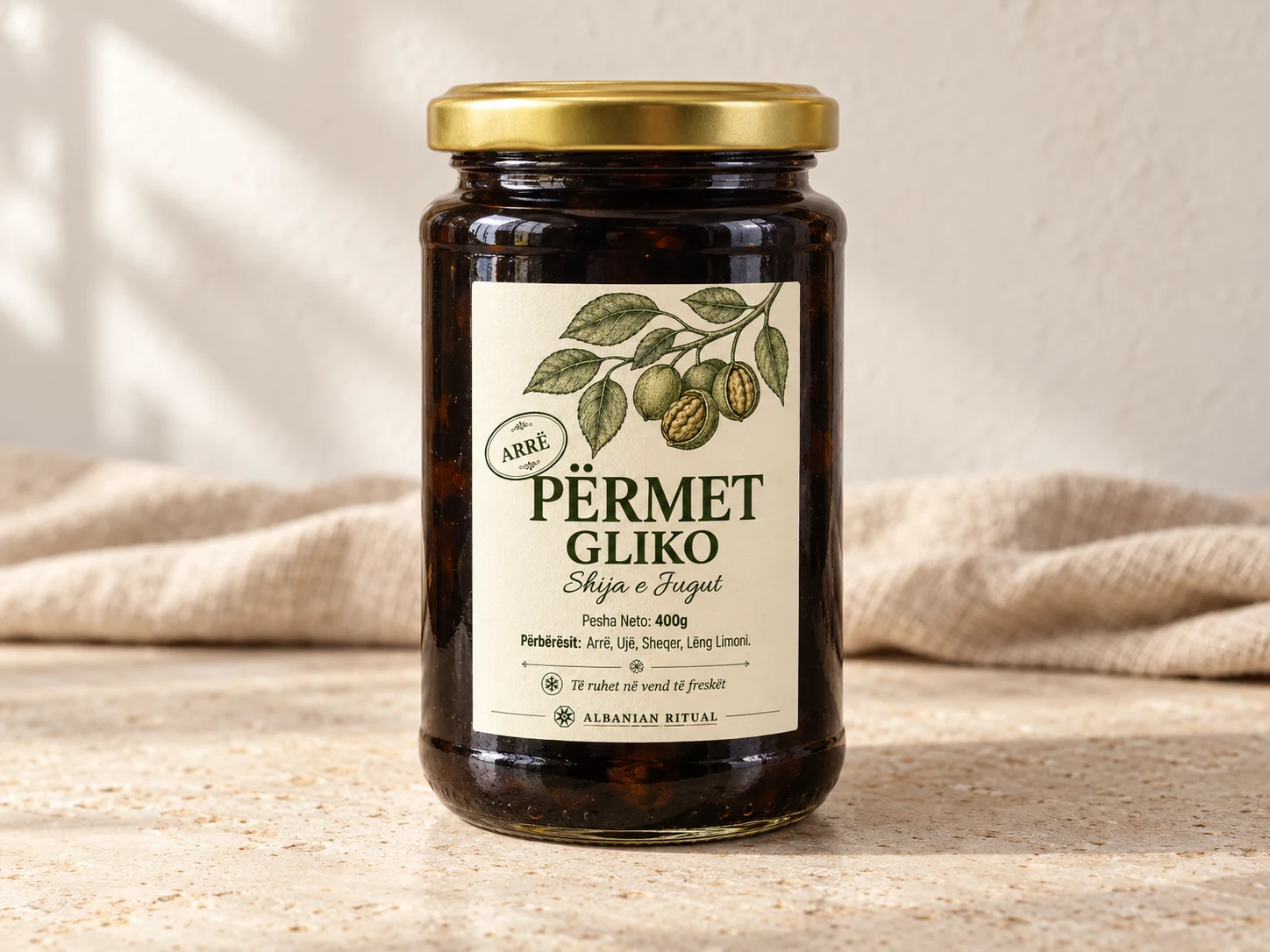
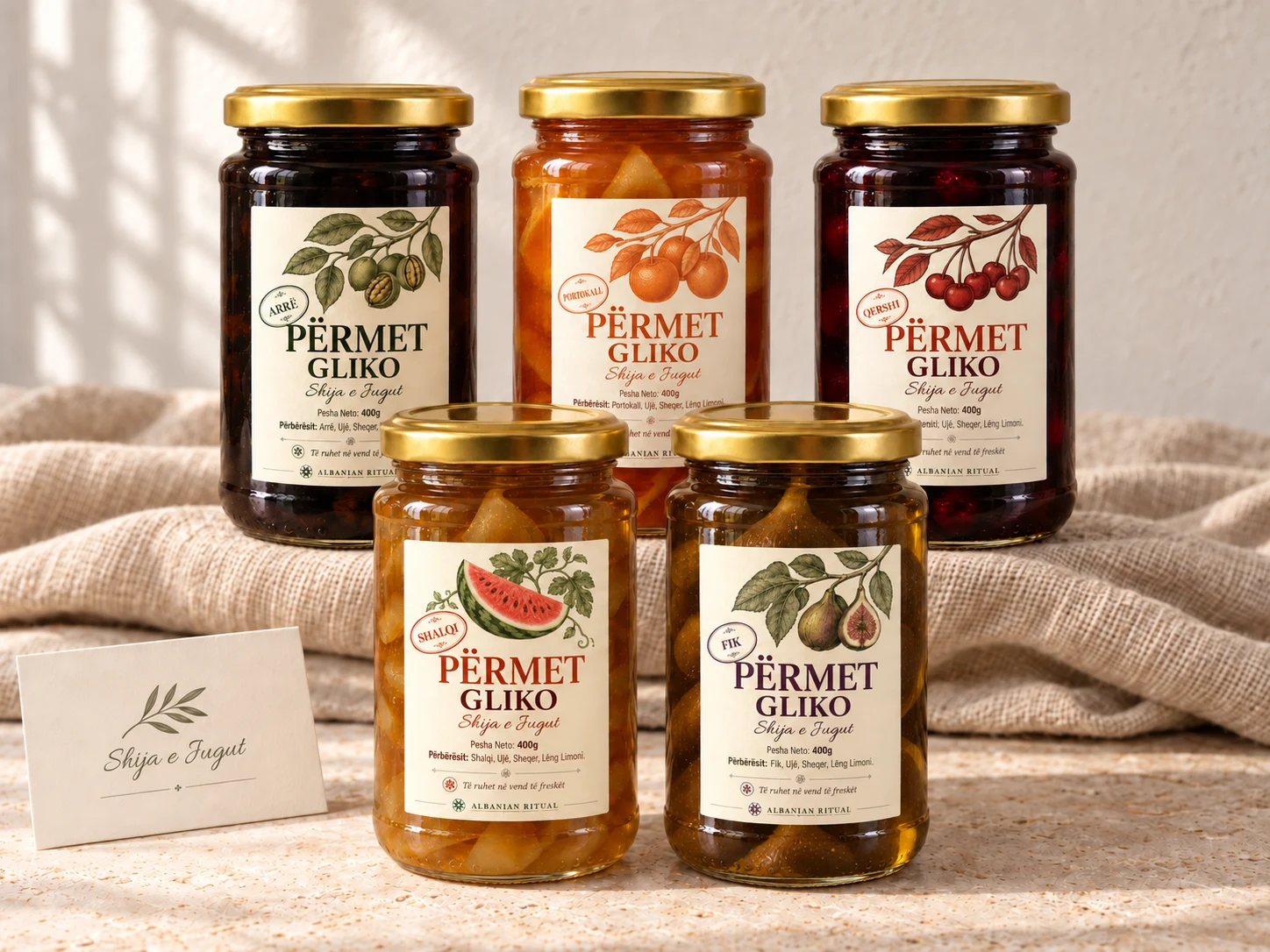
The culinary chemistry behind traditional Përmet green walnut gliko: early June harvest before shell hardening, cold-water leaching of juglone and tannins, and slow copper-basin simmering.
The chemical and agronomic profile of indigenous Albanian Kalinjot olives: why early green harvesting and rapid cold extraction under 27°C concentrate oleocanthal and hydroxytyrosol.
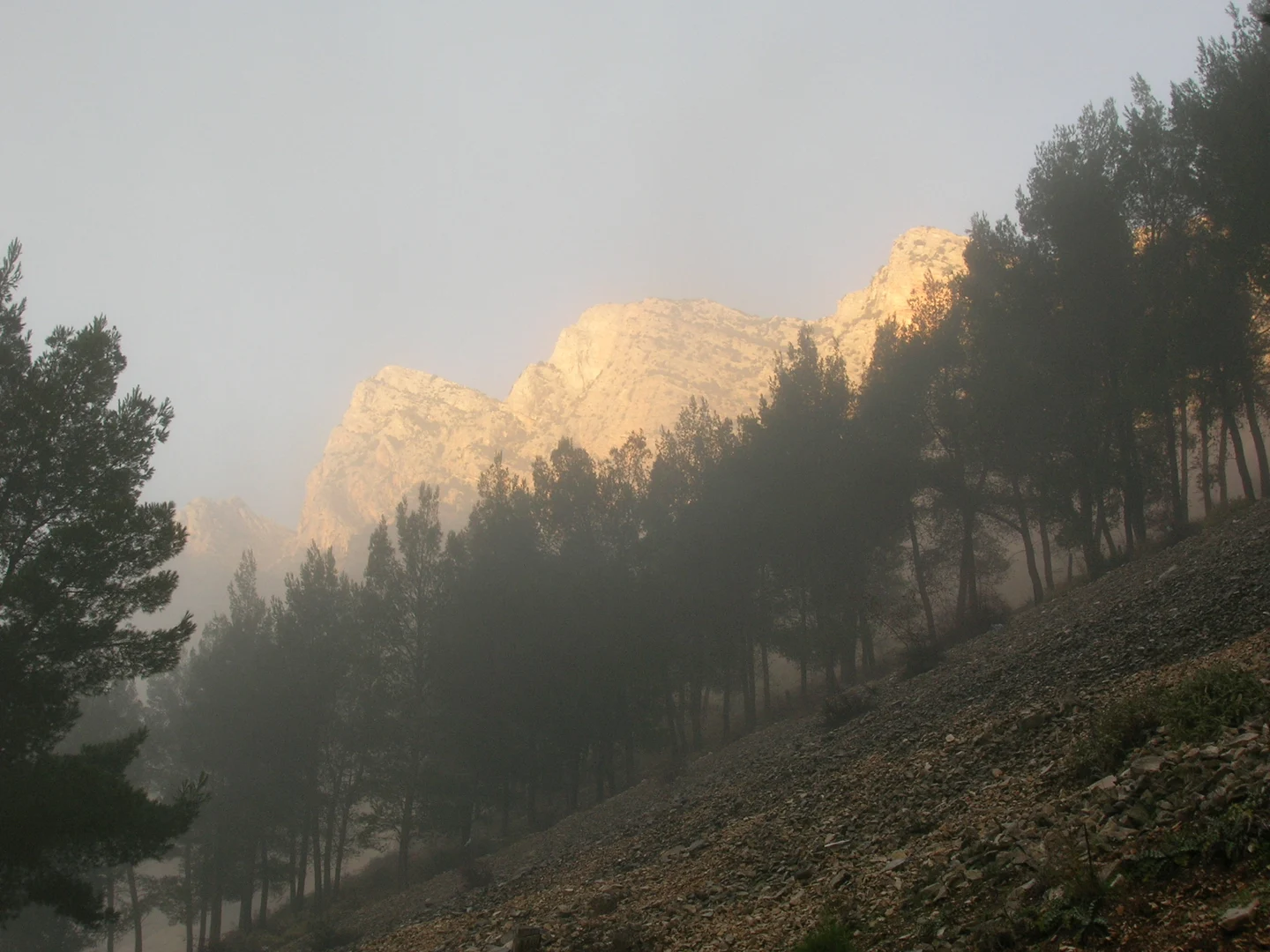
An botanical exploration of wild Dalmatian sage (Salvia officinalis) flourishing across the limestone slopes of Mount Trebeshinë: cineole ratios, essential oil chemistry, and sustainable wildcrafting.
Why mountain tea from the Vjosa Valley carries a conservation promise: how wild harvesting, Europe’s first Wild River National Park, and anti-commodification keep these herbs authentic.
How high-altitude wild harvesting and traditional single-grove cultivation compare to industrial monoculture, backed by clinical research on Sideritis and extra virgin olive oil.
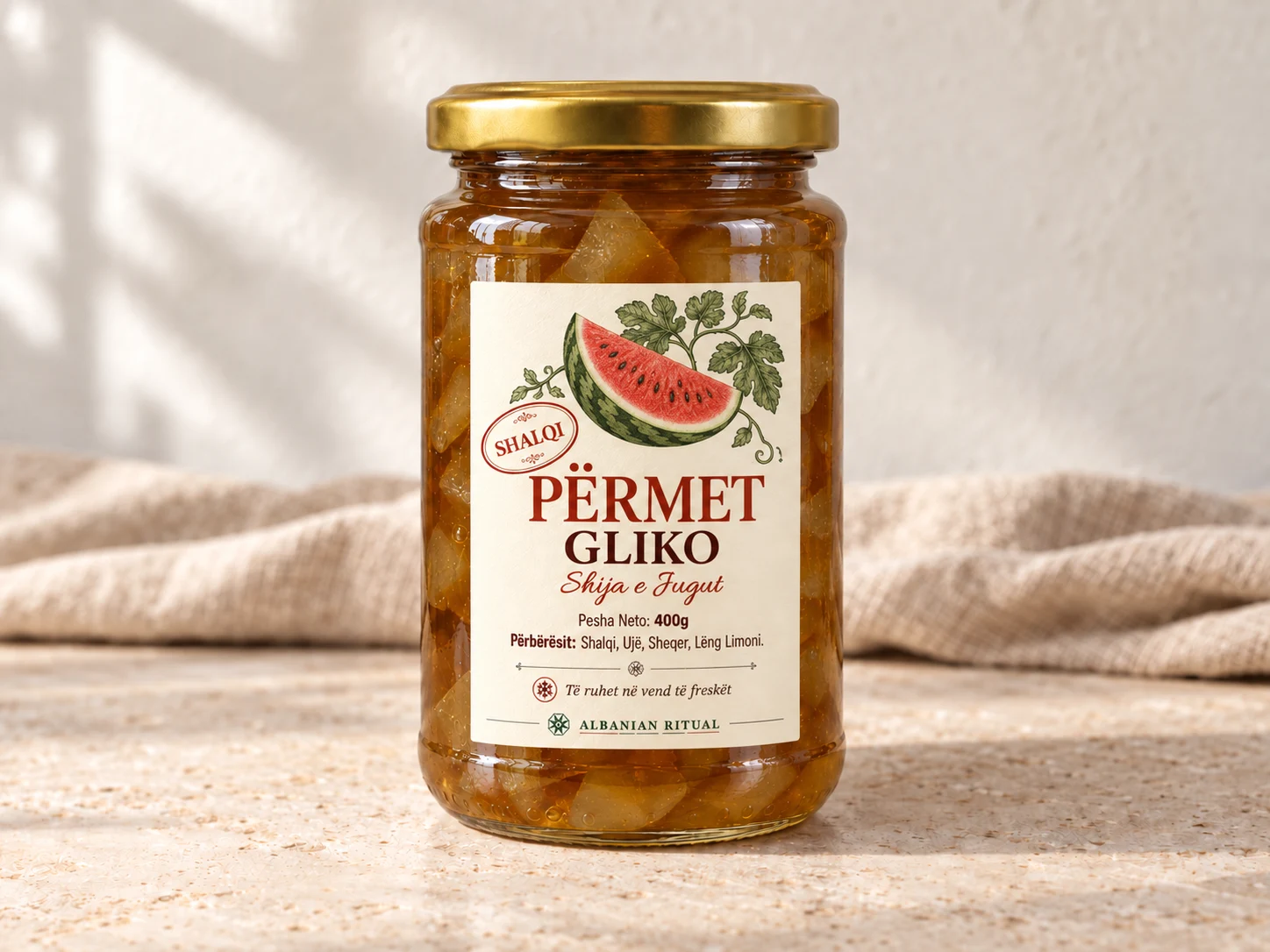
A practical guide to watermelon rind gliko (gliko me shalqi) from Përmet: why the pale rind is preserved, how copper pots turn it to translucent glass, and how it is served to guests.
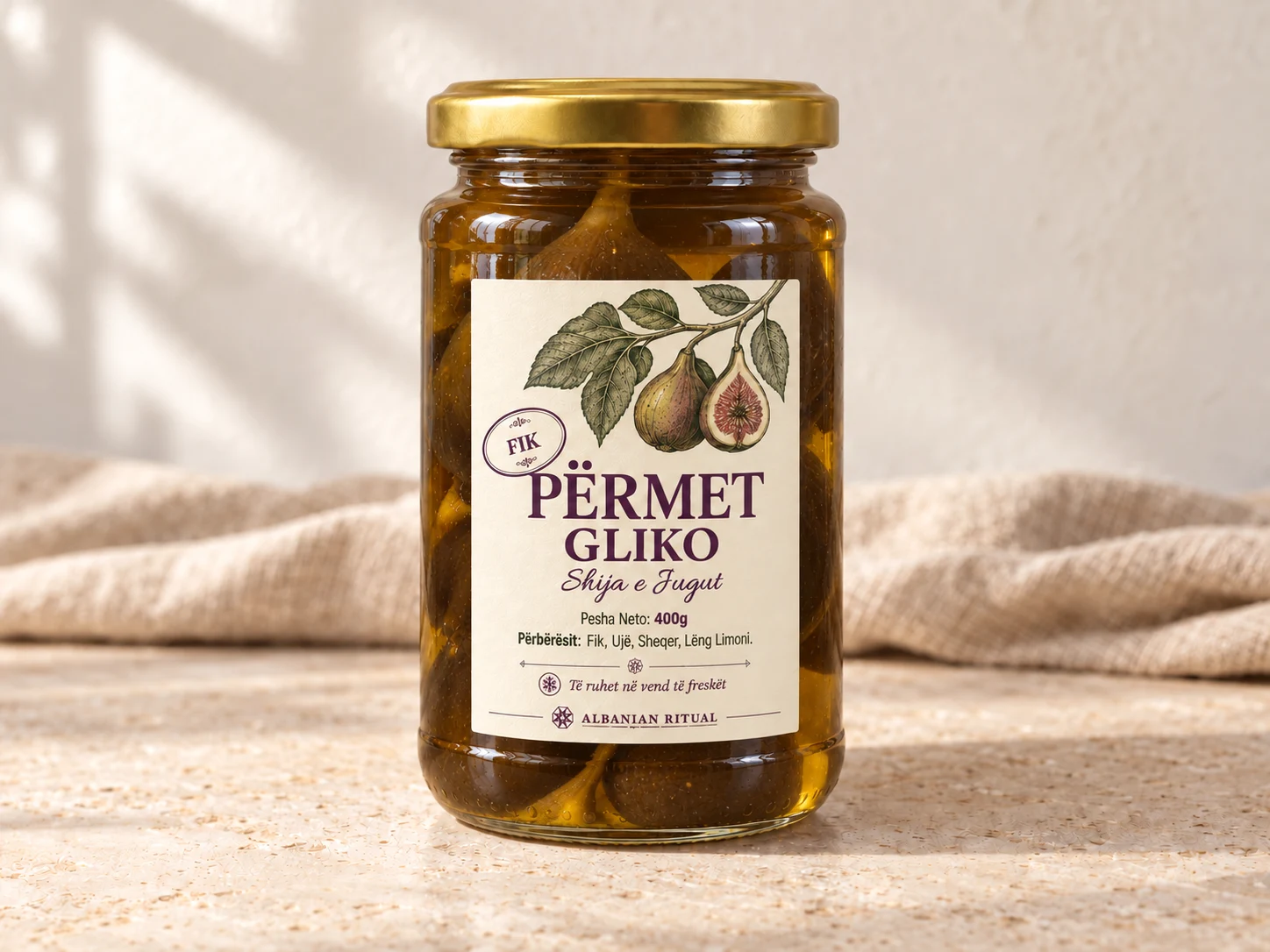
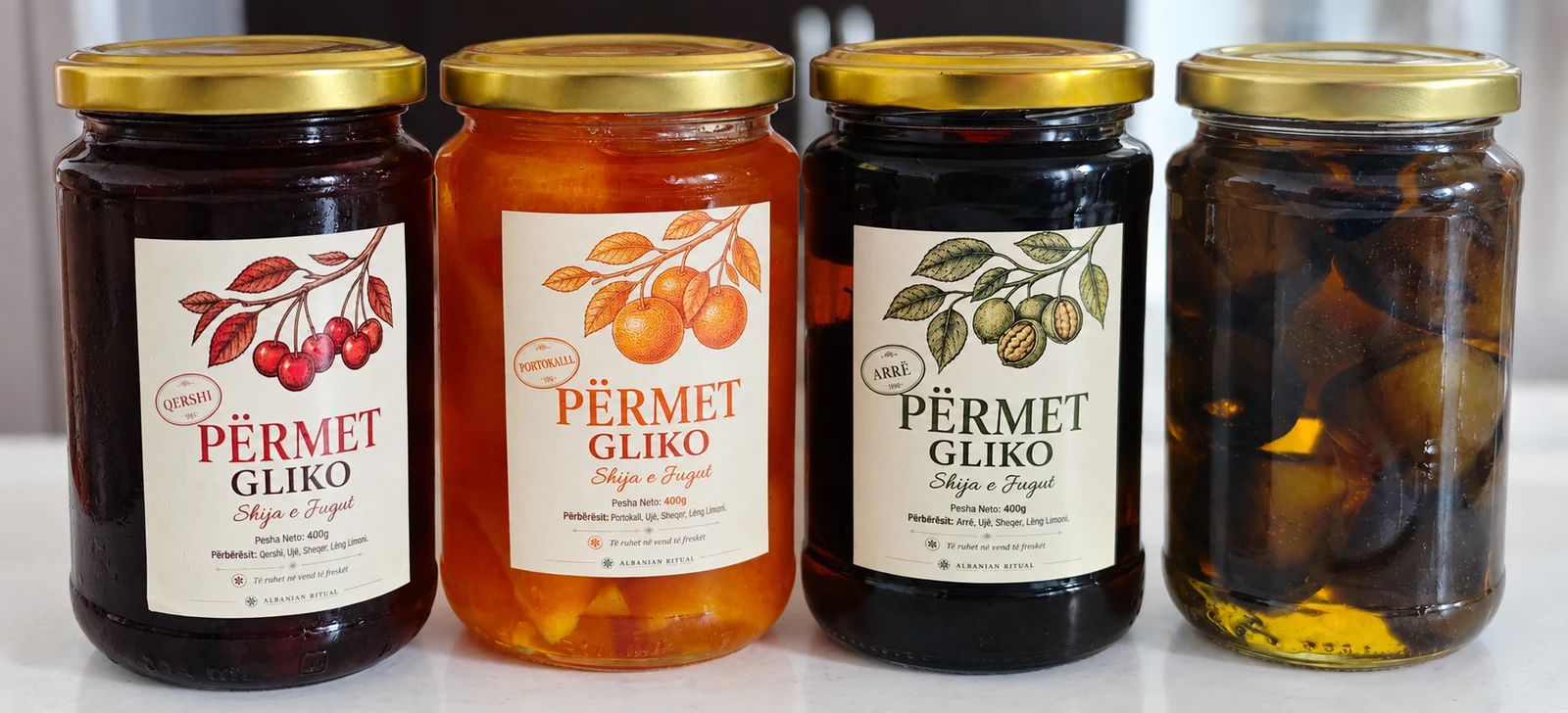
A buyer’s guide to Përmet gliko: how to choose between green walnut, sour cherry, hand-rolled orange peel, wild fig, and watermelon rind for your table or gift.
What official documentation from Slow Food and the National Tourism Agency actually says about Përmet gliko, its preparation, fruit lists, and traditional serving.
A practical guide to Albanian gliko: what the spoon sweet is, how it differs from jam, how it is traditionally offered to guests, and how to choose and store a jar.
A precise, cautious method for brewing whole-stem Albanian mountain tea: start in cold water, simmer gently, taste at three minutes, and enjoy its clean, herbal flavor.
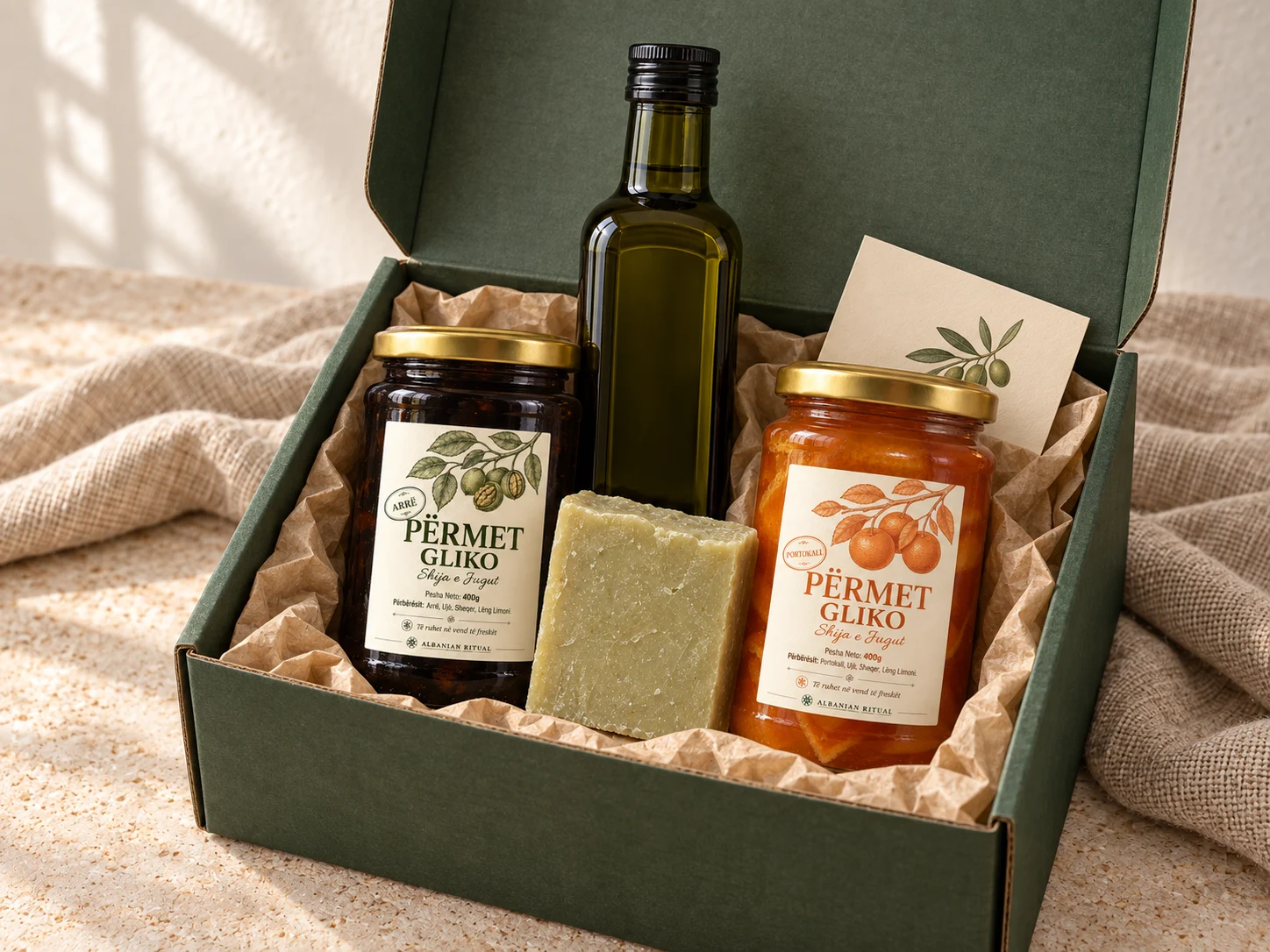
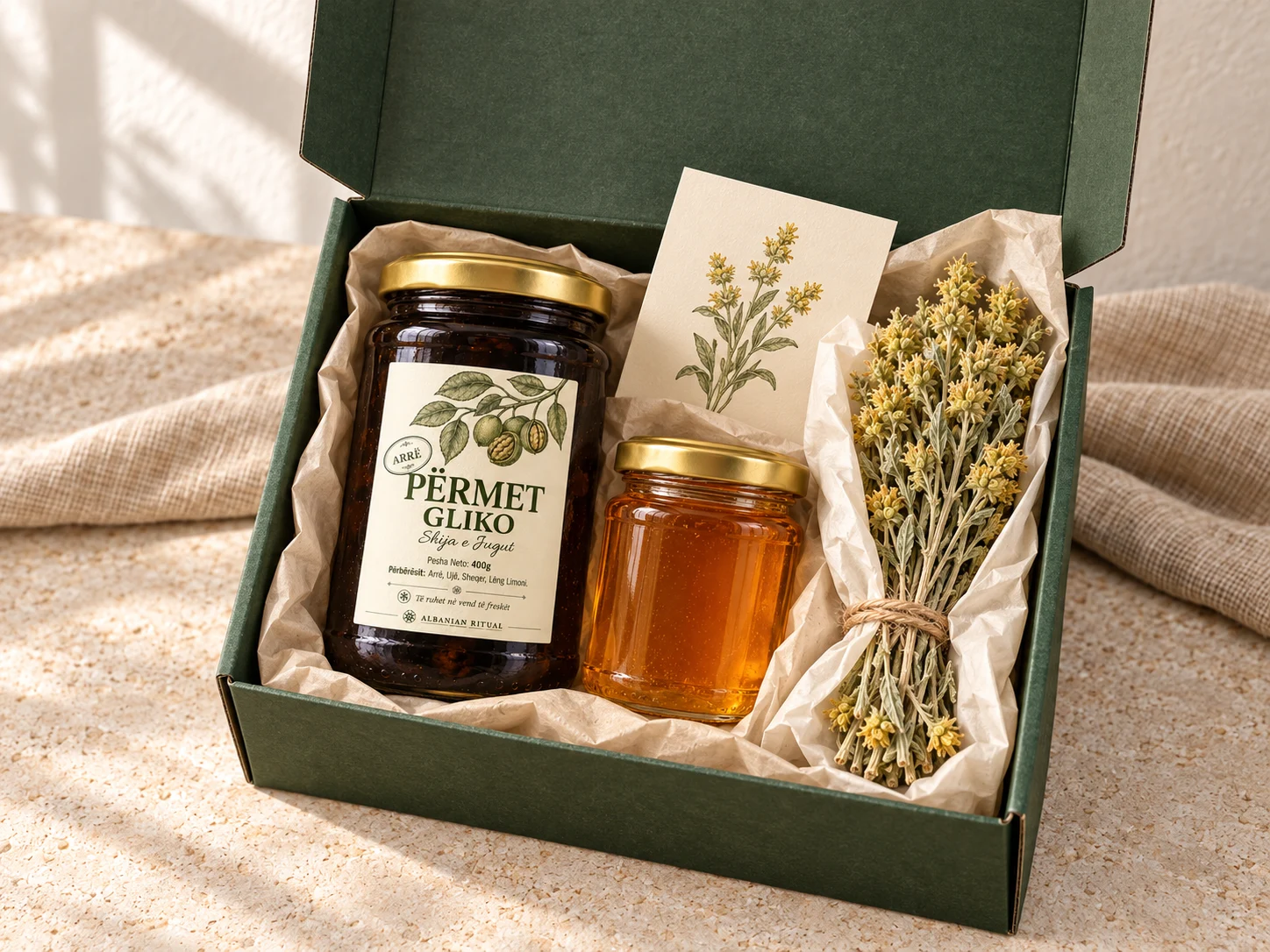
Choose an Albanian food and pantry gift by matching the recipient, occasion, provenance, allergens, packaging, and delivery needs instead of relying on a generic souvenir box.
Mountain tea is one of the better-studied herbs in the Balkan pantry. Here is the strongest human trial on Sideritis scardica, what it measured, and where its limits are.
What the research supports about extra virgin olive oil polyphenols, why the harvest window decides how much you get, and the one claim that requires a lab result.