Short answer. For a practical starting point, place two or three whole flowering stems of Albanian mountain tea in about 500 ml of cold water. Bring the water just to the boil, lower the heat, and simmer gently for about three minutes. Remove from the heat, taste, and strain or let the stems settle. Follow the pack instructions when they differ, because stem size, species, cut, and personal preference change the useful amount and time.
What “Albanian mountain tea” means
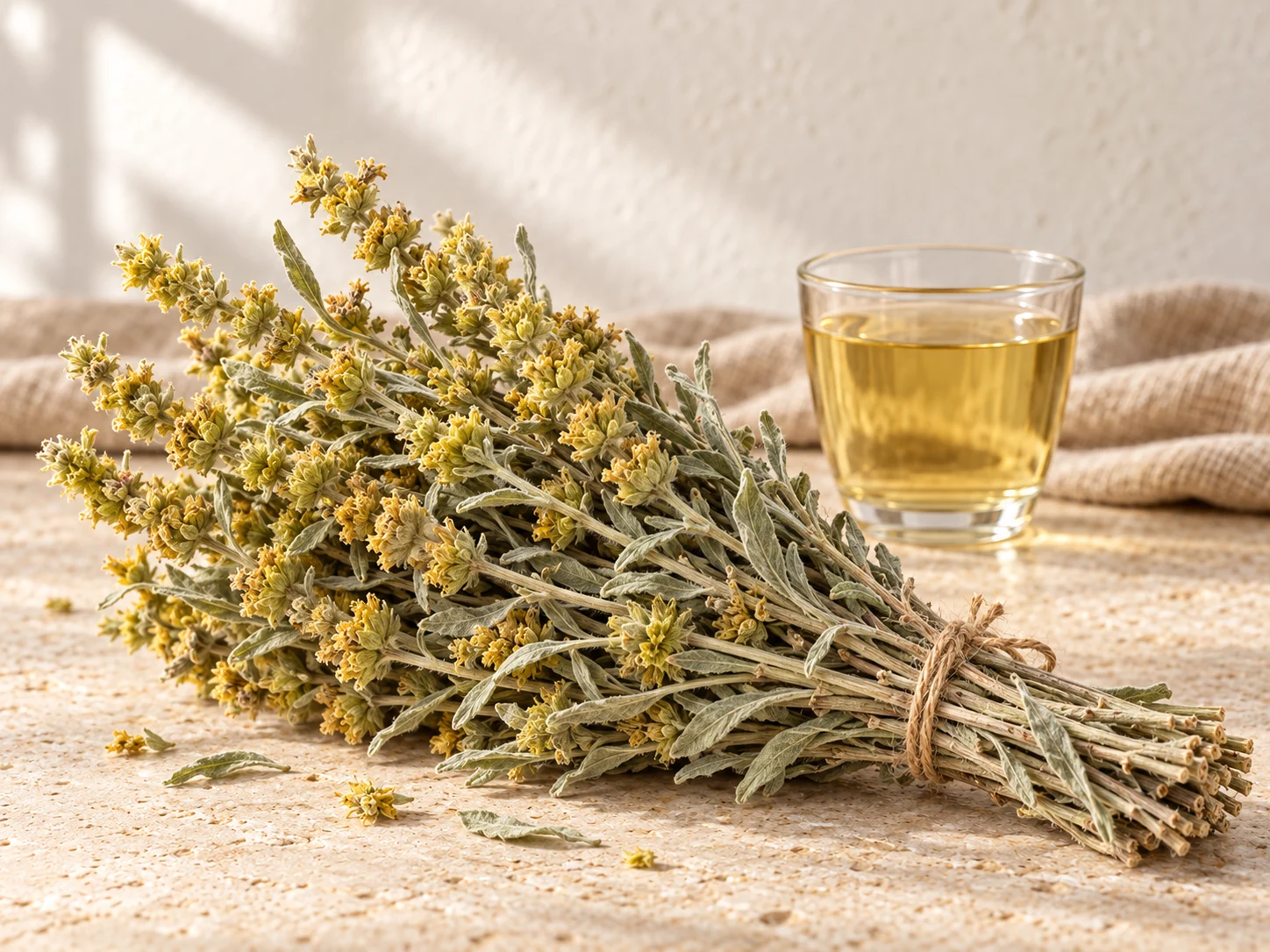
Çaj mali literally means mountain tea. On Albanian shelves the name commonly refers to dried flowering stems from plants in the Sideritis genus, also called ironwort, but common names are not a botanical guarantee. Species and regional usage can vary. A responsible pack should identify the plant as precisely as the supplier can support. If botanical identity matters to you, read the label rather than assuming that every bundle sold under the same common name is identical.
This is an herbal infusion, not tea made from Camellia sinensis leaves. Pure Sideritis normally contains no naturally occurring caffeine, but anyone who needs certainty should check the product label for ingredients and possible cross-contact. The plant itself has genuine human trial evidence behind it — a 2018 placebo-controlled study of a standardised Sideritis scardica extract measured improved attention and reduced anxiety — which we summarise, with the paper, in the science of mountain tea (/field-notes/science-of-mountain-tea/). For step-by-step preparation, see our brewing guide below.
The simmer method, step by step
Use fresh-tasting water and a small saucepan or pot. For two modest cups, start with roughly 500 ml of cold water and two or three whole stems with their flowering tops. Stem sizes vary, so this is a starting point rather than a dose. Place the stems in the cold water before heating. Bring the pot just to a boil, then reduce the heat enough to keep a quiet simmer instead of a hard rolling boil.
Simmer for about three minutes, then remove the pot from the heat. Taste before adding anything. The cup is often pale gold and gently herbal, but colour alone cannot prove strength or quality. Pour through a small strainer if you want a clear cup; otherwise, whole stems usually settle and can remain in the pot. If the pack gives different directions, use those first because the producer knows the cut and batch.
- Add two or three whole stems to about 500 ml of cold water.
- Bring just to the boil, then lower to a gentle simmer.
- Taste at about three minutes before extending the time.
- Strain, or allow the whole stems to settle naturally.
Why simmer instead of only steeping?
A hot-water steep can make a pleasant cup, especially when the plant is cut into smaller pieces. Whole, woody stems generally give more flavour when they spend a few minutes at a gentle simmer. Starting in cold water also makes the process gradual and easy to repeat. This is a preparation choice, not a promise that simmering creates a medicinal effect or extracts a specific compound in a clinically meaningful amount.
If the first pot is too light, add one stem or extend the simmer by a minute next time. If it is too strong, resinous, or bitter for you, use less plant or stop sooner. Avoid treating darkness as the goal. A measured change between pots teaches you more than boiling a large bundle for a long time.
Honey, lemon, gliko, and the second cup
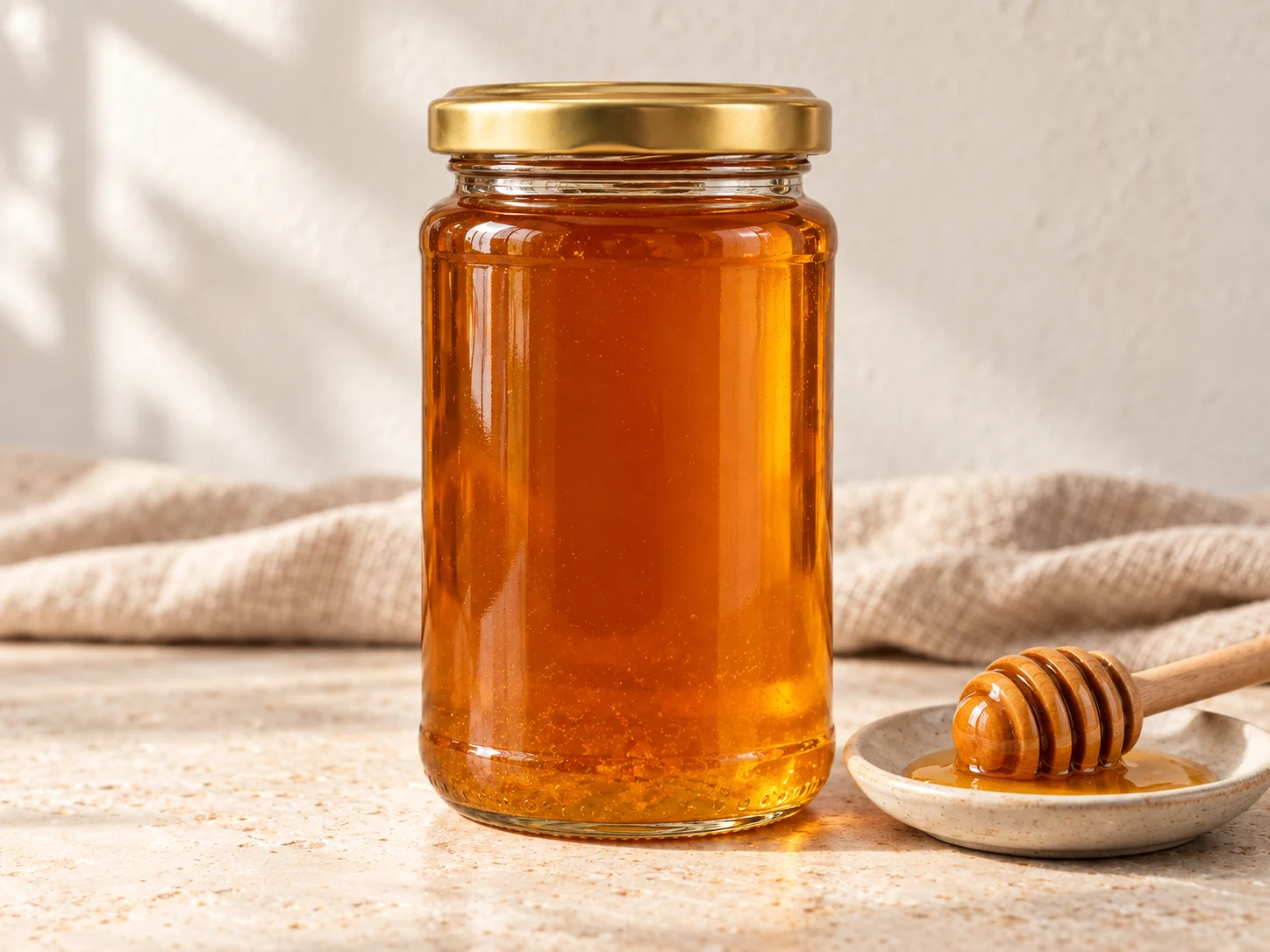
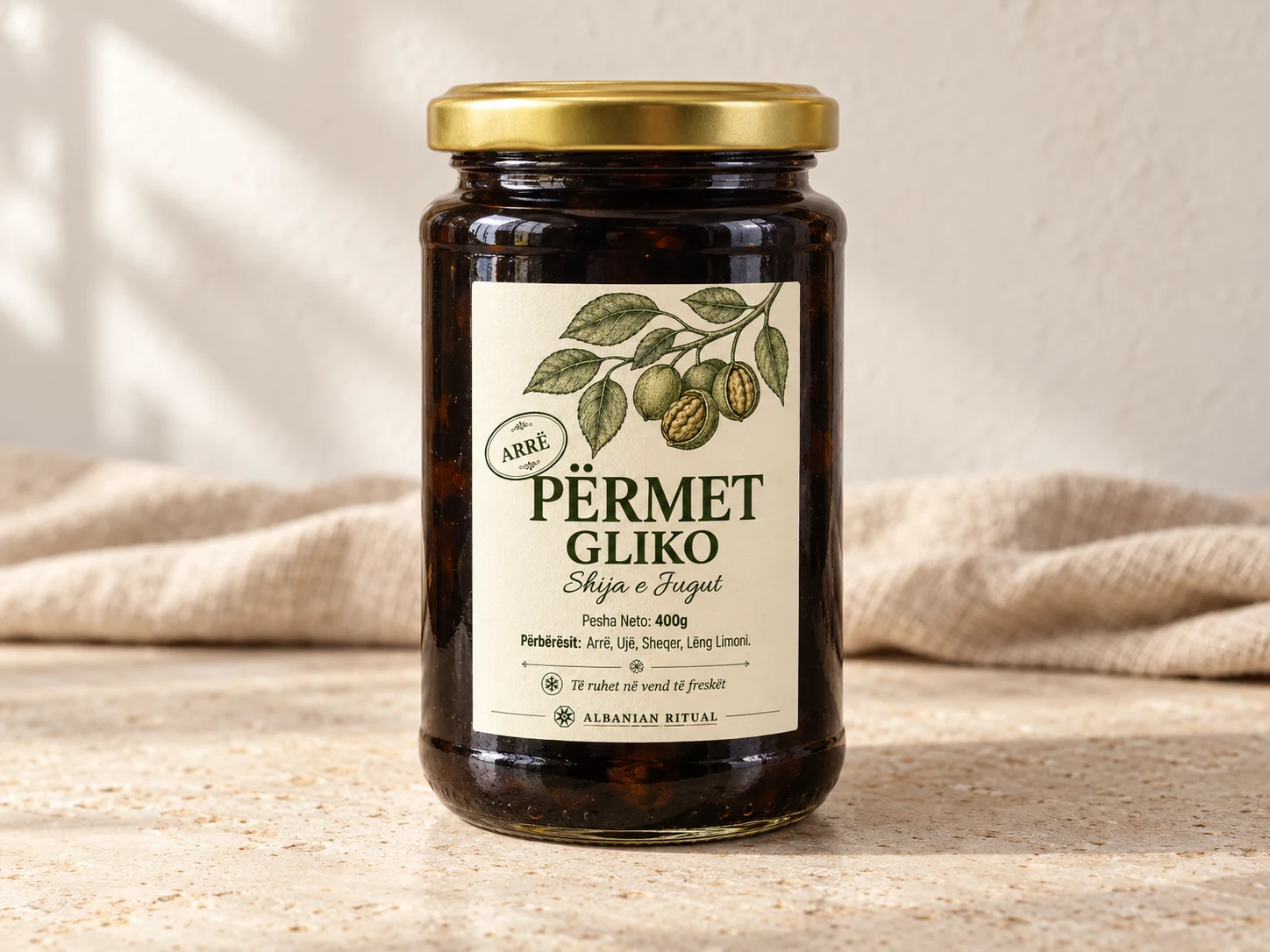
Drink the first sip plain so you know the batch. Honey can soften the cup, and lemon can make it brighter, but neither is required. Add honey after the pot leaves the heat if you prefer its aroma. A small plate of gliko and cold water can turn the tea into a wider Albanian welcome; it is a serving suggestion, not a universal rule followed in every home.
Dried herbs keep best when protected from moisture, heat, strong odours, and direct light. Close the package after each use and follow its best-before and storage instructions. If the plant smells musty, shows moisture or mould, or arrived in damaged packaging, do not brew it. When the next evening comes, begin again with cold water and adjust one variable at a time. The ritual becomes yours through attention, not complication.