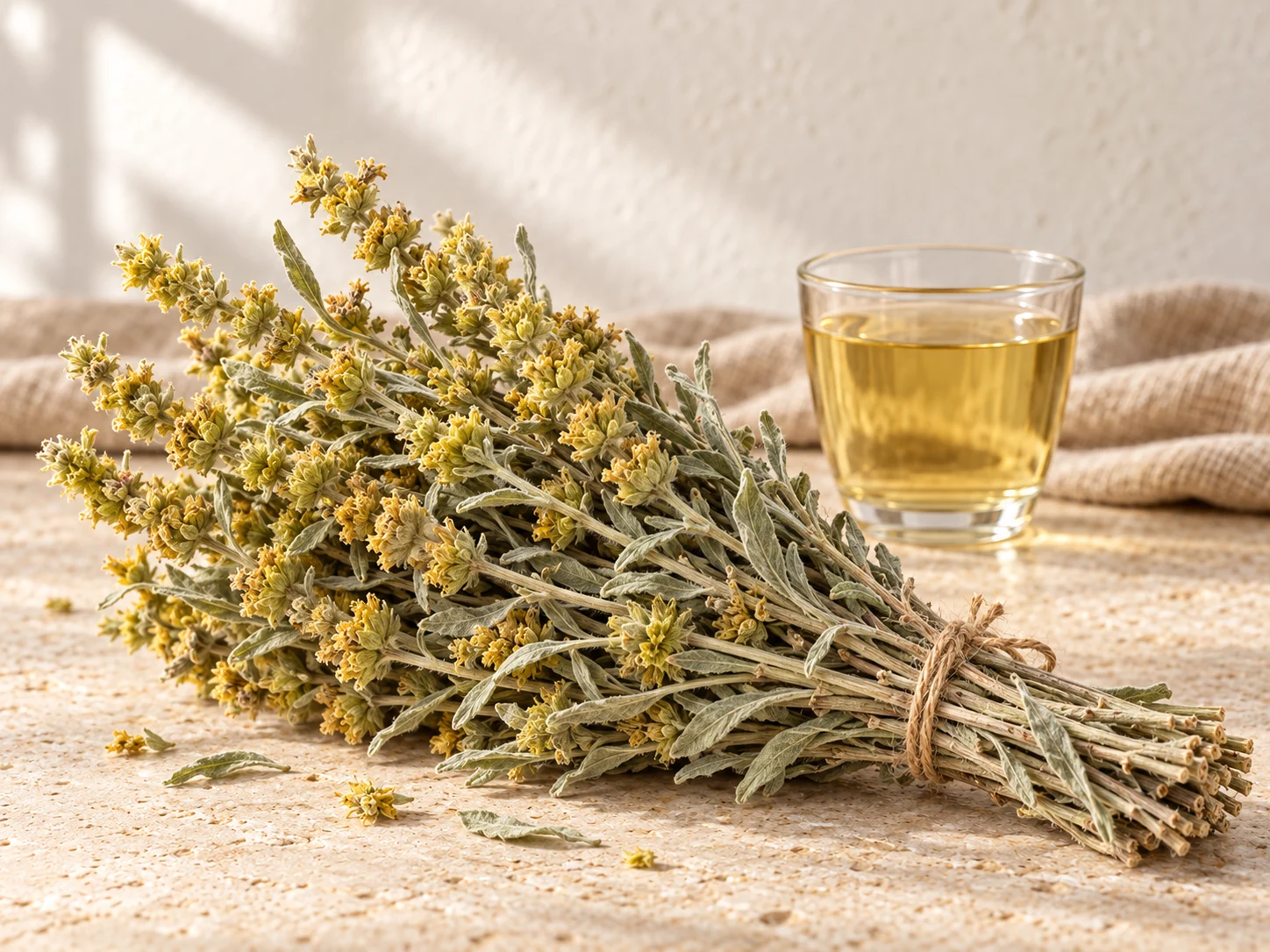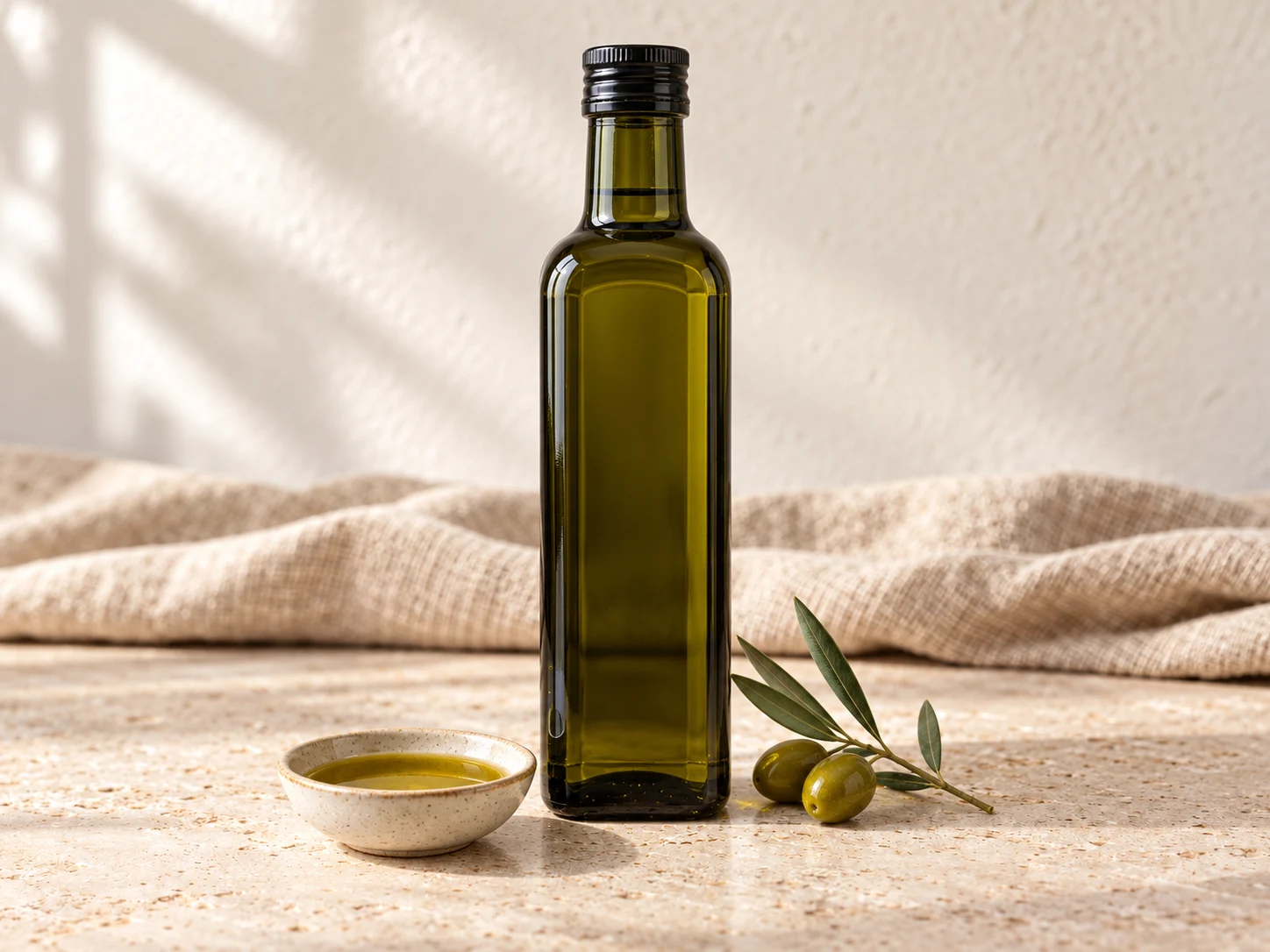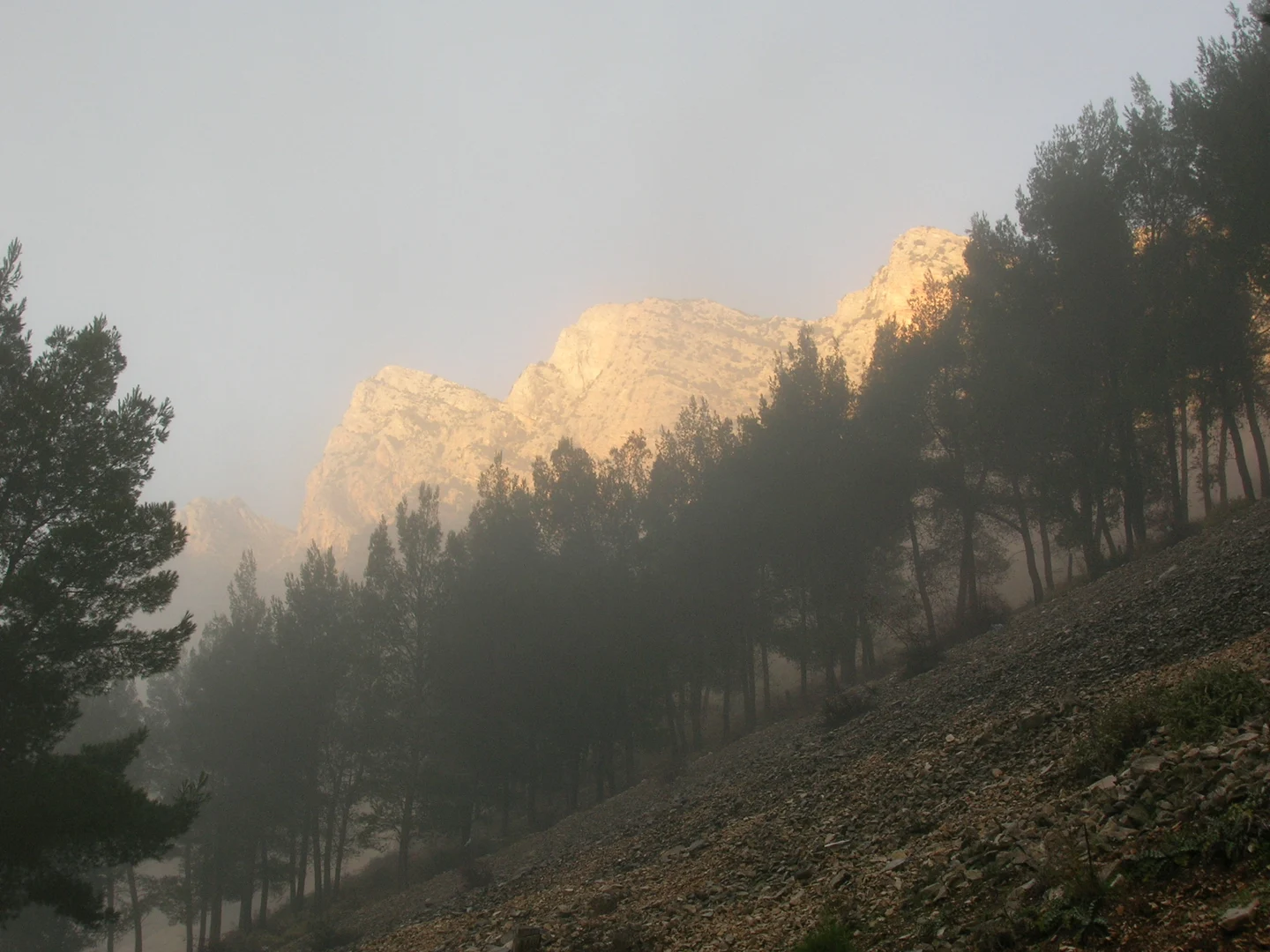
Kurz gesagt. Wilder High-Altitude Sideritis Bergtee und einzelnen Hain früh natives Olivenöl extra entwickeln dichte Konzentrationen von schützenden Polyphenolen aufgrund natürlicher Umweltstressoren wie UV-Höhenbelastung, felsige Kalksteinerde und kalte Nächte. Industrielle Monokultur priorisiert das Ertragsvolumen durch synthetische Düngemittel und starke Bewässerung, wodurch aromatische flüchtige Verbindungen verdünnt werden. Zwei Studien am Menschen mit Sideritis scardica zeigen, was ein standardisierter Extrakt tun kann; Erntezeit und Verarbeitungsgeschwindigkeit bestimmen, wie viel von der Chemie der Pflanze in den Becher und die Flasche überdauert wird.
Höhenstress und sekundäre Pflanzenstoffe
Pflanzen, die in hoch gelegenen subalpinen Umgebungen wachsen, sind einem kontinuierlichen Umweltstress ausgesetzt: kalte nächtliche Temperaturen, intensive solare UV-B-Strahlung, dünner felsiger Kalksteinboden und geringe Wasserverfügbarkeit. Als Reaktion auf diesen abiotischen Druck synthetisieren Wildarten wie Sideritis scardica und Sideritis syriaca erhöhte Konzentrationen von polyphenolischen Sekundärmetaboliten, hauptsächlich Verbascosid, Chlorogensäure und Apigenin-Flavonoidglykoside, die als natürliche UV-Sonnenschutzmittel und zelluläre antioxidative Schutzschilde fungieren.
Im Gegensatz dazu konzentrieren industrielle landwirtschaftliche Nutzpflanzen, die in Tiefland-Monokulturen mit hoher Stickstoffdüngung und kontinuierlicher Tropfbewässerung angebaut werden, ihre metabolische Energie auf schnelles vegetatives Wachstum. Während dies das Biomassevolumen pro Hektar maximiert, reduziert es die Konzentration von schützenden Polyphenolen pro Gramm trockenem Gewebe erheblich. Stress in großer Höhe erzeugt eine phytochemische Dichte, die die künstliche Landwirtschaft nicht replizieren kann.
Was klinische Studien mit Bergtee am Menschen messen
Die klinische Forschung am Menschen bewertet charakterisierte Sideritis scardica-Extrakte, die reich an diesen hoch gelegenen Polyphenolen sind. In einer doppelblinden, randomisierten, placebokontrollierten Studie mit parallelen Gruppen, die in Nutrients (Wightman et al., 2018;10(8):955) veröffentlicht wurde, erhielten 140 gesunde Erwachsene im Alter von 50-70 Jahren 28 Tage lang täglich 475 mg oder 950 mg standardisierten Extrakts. Bei 950 mg verzeichnete die Studie statistisch signifikante Verbesserungen der Aufmerksamkeitsgenauigkeit (p = 0,017) und eine deutliche Verringerung der Zustandsangst (Effektgröße d = 0,75). Nah-Infrarot-Spektroskopie am Tag 1 zeigte auch akute Zunahmen im frontalen Kortex zerebralen Blutfluss.
Eine 2024 doppelblinde, placebokontrollierte Studie, veröffentlicht in Molecules (Papanikolaou et al., 2024;29(5):1113), untersuchte täglich 1.500 mg des charakterisierten Extrakts über 4 Wochen bei 28 Erwachsenen. Die Forscher verzeichneten eine 11,6% ige Erhöhung der gesamten Plasma-Antioxidantienkapazität (p < 0,001), eine 10,8% ige Reduktion der Lipidperoxidation (TBARS, p = 0,008) und eine 10,9 mm Hg-Abnahme des systolischen Blutdrucks - ein bemerkenswertes Ergebnis, da die größere Studie 2018 überhaupt keinen Blutdruckeffekt ergab; Wir berichten über die Spannung, anstatt die schmeichelhafte auszuwählen. Es ist eine kleine Studie von 28 Personen, und es wurde ein charakterisierter Extrakt getestet, kein selbst gebrauter Topf.
Olivenöl aus einem einzigen Hain und kommerzielle Mischöle
Die gleiche botanische Regel regelt natives Olivenöl. Industrielle Olivenproduktion mischt Früchte aus mehreren kommerziellen Hainen, Ernte spät in der Saison, wenn Oliven schwarz werden und Ölerträge am höchsten sind. Das früh geerntete Einhainöl aus alten Hanghainen in Këlcyrë wird von Hand gepflückt, während die Oliven grün sind, und innerhalb von 24 Stunden nach der Ernte kaltgepresst.
Wie in der wegweisenden PREDIMED-Studie gezeigt (Estruch et al., NEJM 2018; 378: e34, doi:10.1056/NEJMoa1800389), eine mediterrane Diät mit extra nativem Olivenöl als zentralem Fett schneiden wichtige kardiovaskuläre Ereignisse um etwa 30 Prozent bei 7.447 Hochrisikoteilnehmern, und Bewertungen von Nocella et al. (2018) schreiben die entzündungshemmende und antioxidative Aktivität des Öls seinem geringen phenolischen Anteil zu (1–2% des Öls, einschließlich Hydroxytyrosol und Oleuropein). Späte Ernte, hohe Hitze und industrielle Raffination zerstören diese kleinen Phenole und produzieren ein flaches Öl ohne bittere, pfeffrige antioxidative Verbindungen.
Bodenschutz und nachhaltige Bewirtschaftung kleiner Flächen
Der Schutz der Bodenintegrität im Vjosa-Tal erfordert die Ablehnung chemischer Unkrautvernichter, synthetischer Pestizide und schwerer Maschinen, die fragile alpine Bodenschichten verdichten. Handforschender wilder Bergtee und handverlesene Olivenhaine in Hügeln erhalten die unterirdische Pilzmykorrhizae und die Mineralstruktur des Landes aufrecht.
Um vollständige Studiendesigns, Zitierregeln und Evidenzgrenzen zu untersuchen, konsultieren Sie unseren Evidenzindex in der Wissenschaft des Bergtees und der Wissenschaft des Eingrove-Olivenöls.
- Höhe phytochemische Dichte: UV-B-Exposition und Kalksteinboden erhöhen Verbascosid und Chlorogensäure.
- Klinische Studie Daten: 2018 Nutrients Studie (140 Erwachsene) & 2024 Molecules Studie (28 Erwachsene) auf Sideritis scardica.
- Frühernte EVOO: Grün gepflückt, kalt extrahiert <24h, um Hydroxytyrosol-Polyphenole zurückzuhalten.
- Bodenschutz: Null synthetische Pestizide oder schwere Ausrüstung, Schutz der alpinen Boden Mykorrhizae.
Häufige Fragen zu Wildkräutern und Forschung
Hier sind häufige Fragen zur wilden botanischen Potenz und wissenschaftlichen Forschung:
**Brauen Bergtee zu Hause übereinstimmen klinische Studie Extrakte? ** Klinische Studien Test standardisierte, charakterisierte Extrakte bei gemessenen täglichen Milligramm-Dosen. Ein hausgemachter Topf liefert eine traditionelle Kräuteraufguss, aber seine genaue Verbindung Milligramm Ausbeute variiert durch Stängelgewicht, Wasservolumen und Kochzeit.
**Warum schmeckt Olivenöl bei der frühen Ernte Pfeffer an der Kehle?** Dieser pfeffrige Kratzen stammt direkt von frischen Polyphenolen wie Oleocanthal- und Hydroxytyrosolderivaten. Ein mildes, butterartiges Handelsöl hat diese Polyphenole normalerweise durch späte Ernte oder Hitze verloren.
**Sind wilde Bergtee-Stängel von Natur aus koffeinfrei? ** Ja. Reine Sideritis-Arten enthalten natürlich null Koffein, so dass es ideal für ruhige Abendbrauen.