En breve. «No está en venta» se opone a la explotación comercial del suelo, las presas y los monocultivos en la Vjosa. Creado el 15 de marzo de 2023 con categoría II de la UICN, el parque protege más de 400 km de río libre y 1.100 especies. Recoger Sideritis de forma sostenible exige respetar el crecimiento natural, evitar fertilizantes sintéticos, cortar a mano y conservar su ecosistema.
El primer parque nacional europeo de un río salvaje
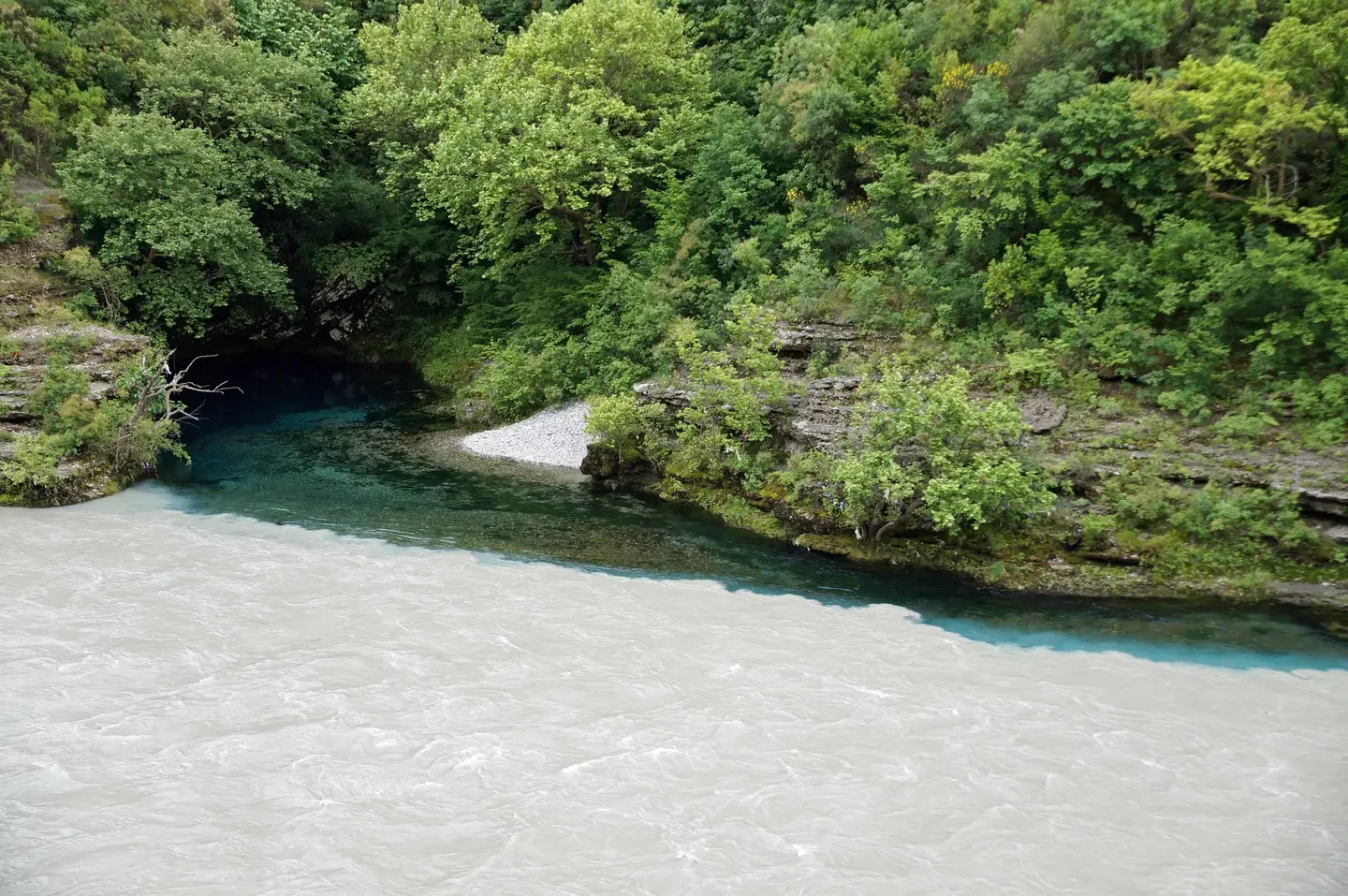
El 15 de marzo de 2023, tras campañas de científicos, comunidades y organizaciones conservacionistas, se declaró el parque de la Vjosa. La categoría II de la UICN protege más de 400 km de sistema fluvial libre desde el Pindo griego, donde se llama Aoös, hasta el Adriático albanés. La fase inicial abarca 12.727 hectáreas de cauce y corredores ribereños.
La cuenca conserva uno de los últimos ecosistemas europeos intactos de lecho de grava. Barras, islas, meandros abandonados y canales laterales sostienen más de 1.100 especies animales. Trece animales y dos plantas están amenazados globalmente en la Lista Roja de la UICN. El parque nació de la colaboración entre Gobierno albanés, UICN, Patagonia y Save the Blue Heart of Europe.
El ambiente del té silvestre
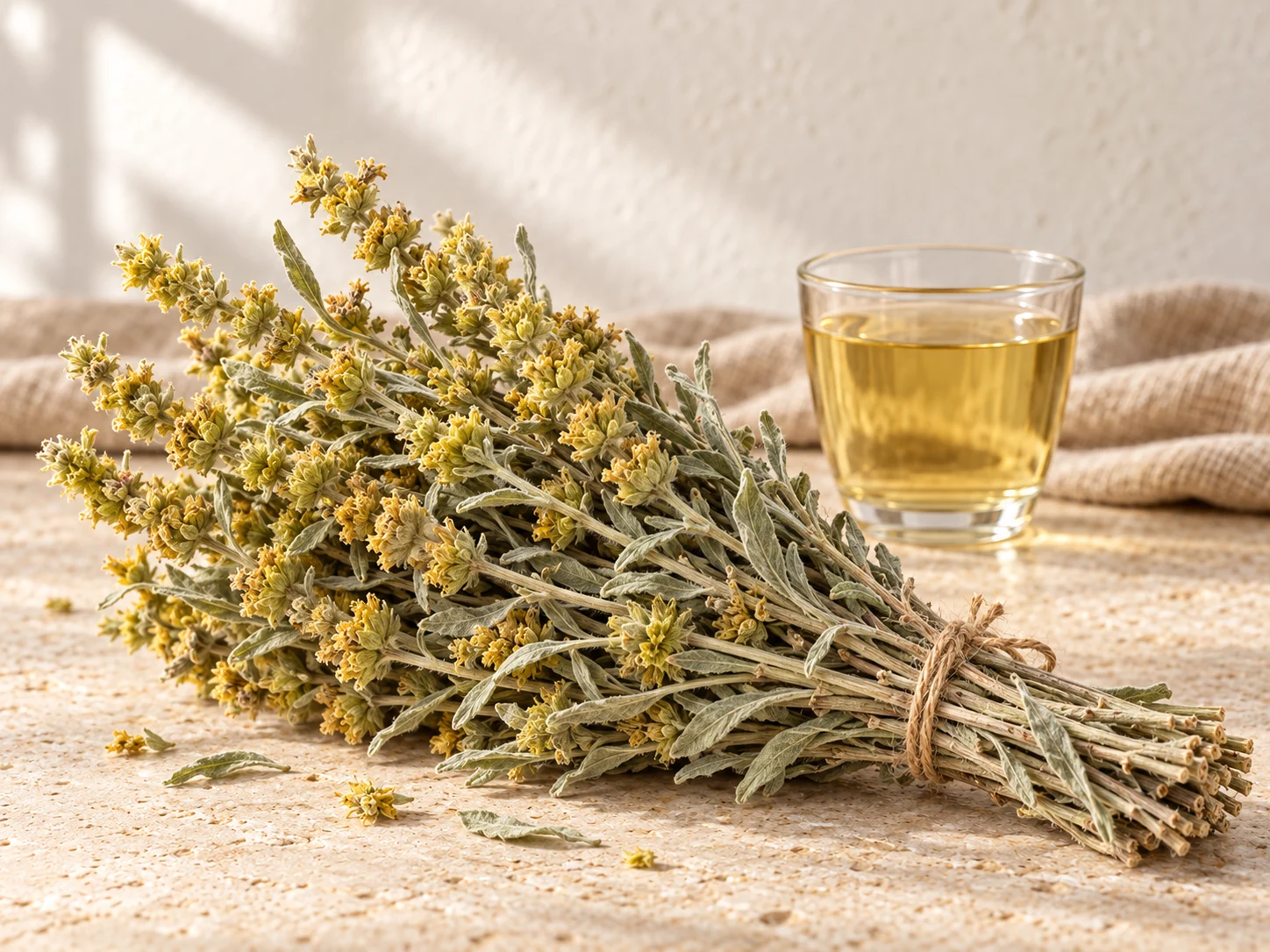
Sideritis scardica y Sideritis syriaca crecen en roquedos calizos expuestos por encima de 1.000 m, con UV-B intensos, noches heladas, días calurosos y suelo mineral poroso que retiene poca agua.
Estas presiones abióticas favorecen verbascósido, ácido clorogénico y glucósidos de apigenina como filtros UV y defensas antioxidantes. Trasladadas a monocultivos bajos con riego y fertilizantes químicos, las plantas crecen deprisa, pero disminuyen significativamente la densidad aromática y los polifenoles.
Custodiar la tierra
El principio expresa cuidado ecológico y autonomía comunitaria: rechazar la privatización de pastos comunes, oponerse a presas que amenacen afluentes y evitar la sobreexplotación de poblaciones silvestres por beneficio inmediato.
La recolección sostenible corta tallos floridos con tijeras y conserva las raíces para la regeneración. Los tallos enteros permiten ver corolas amarillas, cálices lanosos y tallos firmes, en lugar de ocultar la anatomía en una bolsita triturada.
De la taza a la conservación del río
Los arroyos alpinos limpios y minerales dependen de laderas intactas, sin minería, vertidos industriales ni deforestación. Proteger las hierbas está ligado a proteger las aguas.
Preparar los tallos desde agua fría y cocer tres minutos conecta un gesto cotidiano con ese entorno. Para conocer las comunidades, visitar permet.org y kelcyre.org; para preparar la taza, nuestra guía del té de montaña albanés.
- Parque de la Vjosa: 15 de marzo de 2023, categoría II UICN.
- Más de 400 km libres, 12.727 hectáreas, más de 1.100 especies animales y 15 especies amenazadas.
- Recolección manual por encima de 1.000 m, con raíces intactas.
- Tallos enteros sin blanquear ni triturar, sin pesticidas o fertilizantes sintéticos ni aromas artificiales.
Preguntas sobre recolección y conservación
Preguntas habituales sobre la Sideritis silvestre de la cuenca.
**¿Por qué se recoge a mano?** Las tijeras pequeñas toman solo las sumidades maduras y dejan raíces y hojas basales para que la planta vuelva a florecer en primavera.
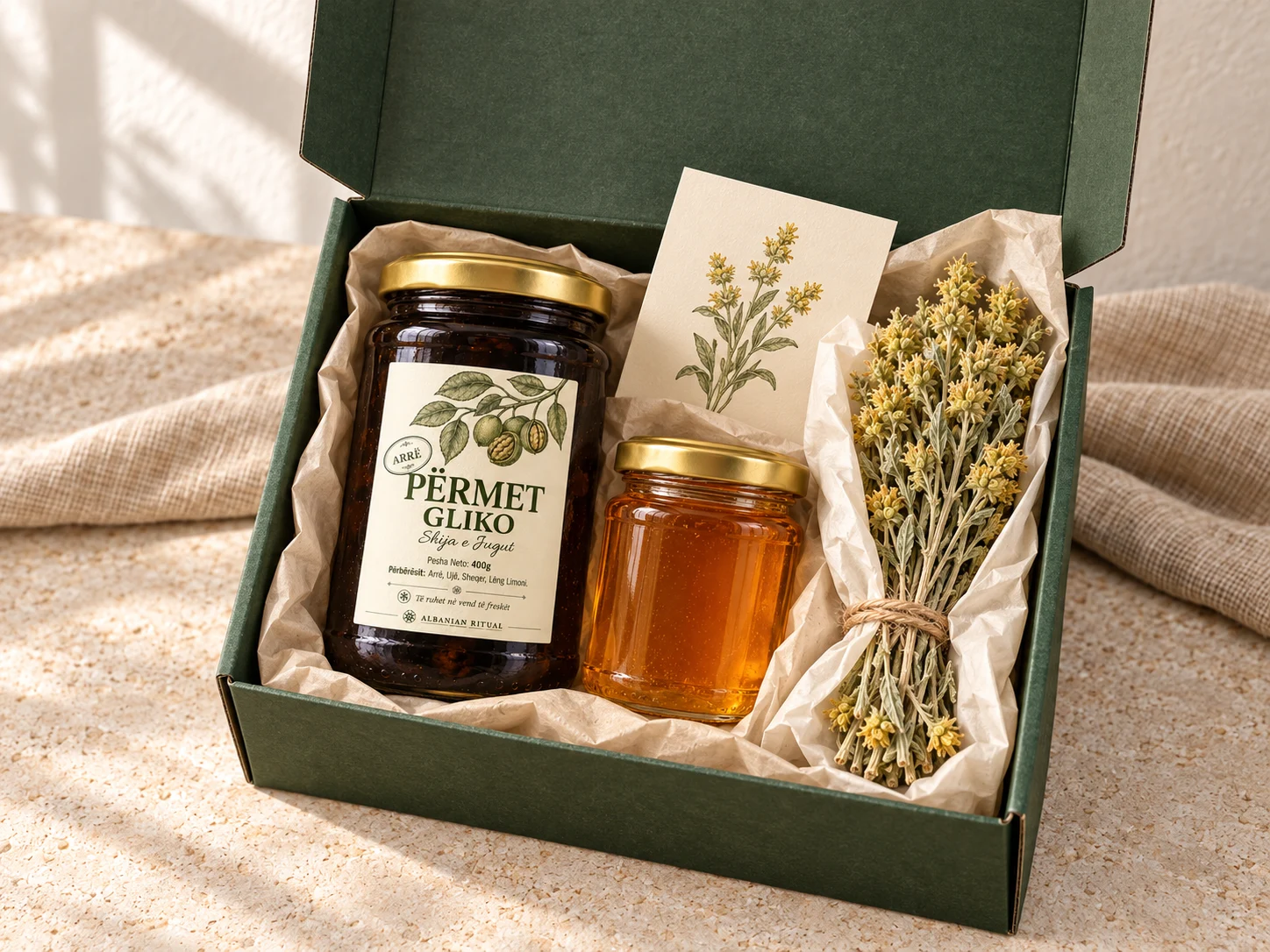
**¿Qué significa «No está en venta» para Albanian Ritual?** Los pastos comunes y el ecosistema fluvial pertenecen al territorio y sus comunidades, no al desarrollo industrial o a compradores comerciales. Nuestro papel es cuidarlos mediante pequeños lotes.
**¿Dónde leer sobre la ciencia de Sideritis?** En la ciencia del té de montaña reunimos ensayos, estructuras polifenólicas y dosis.