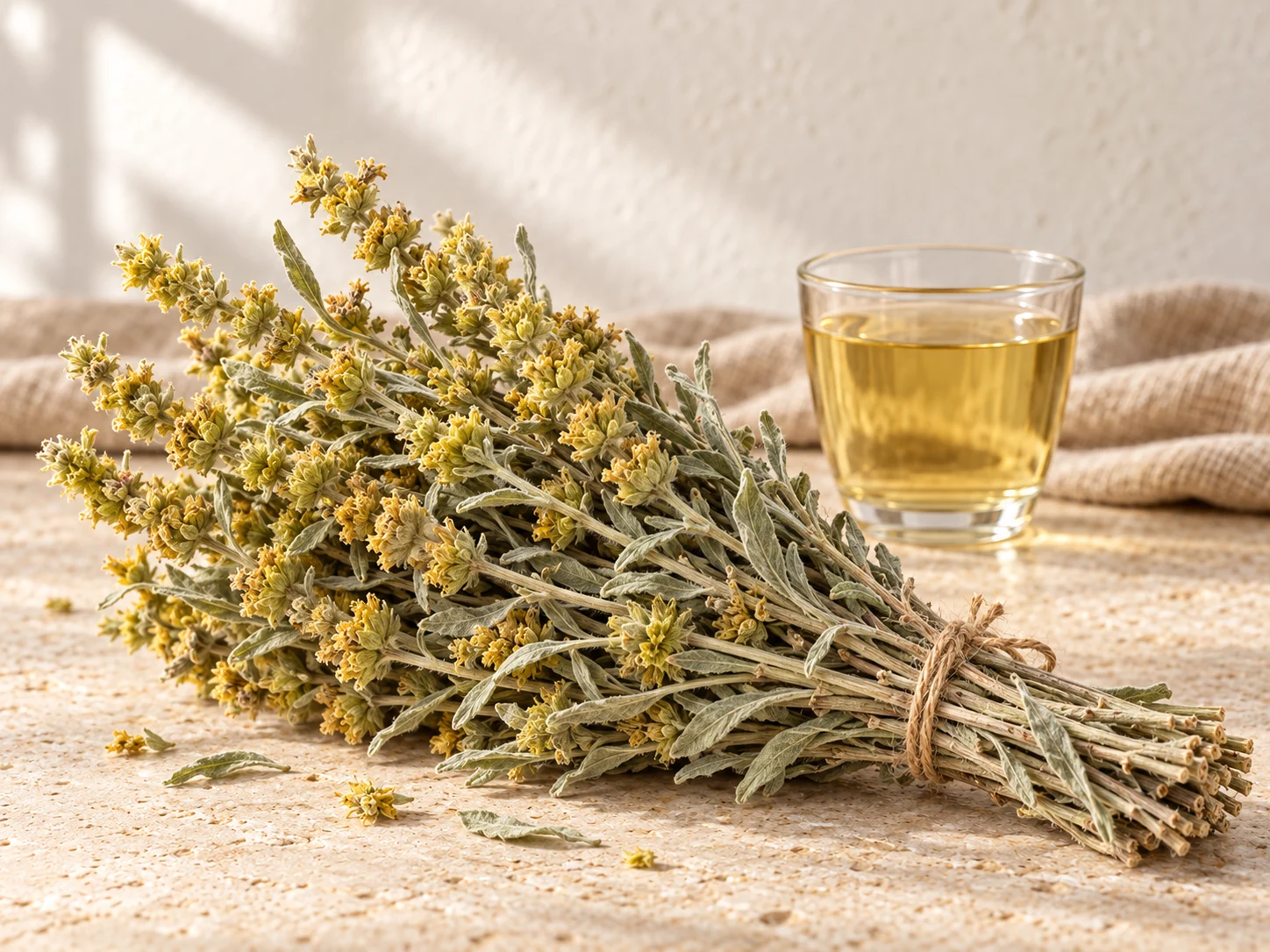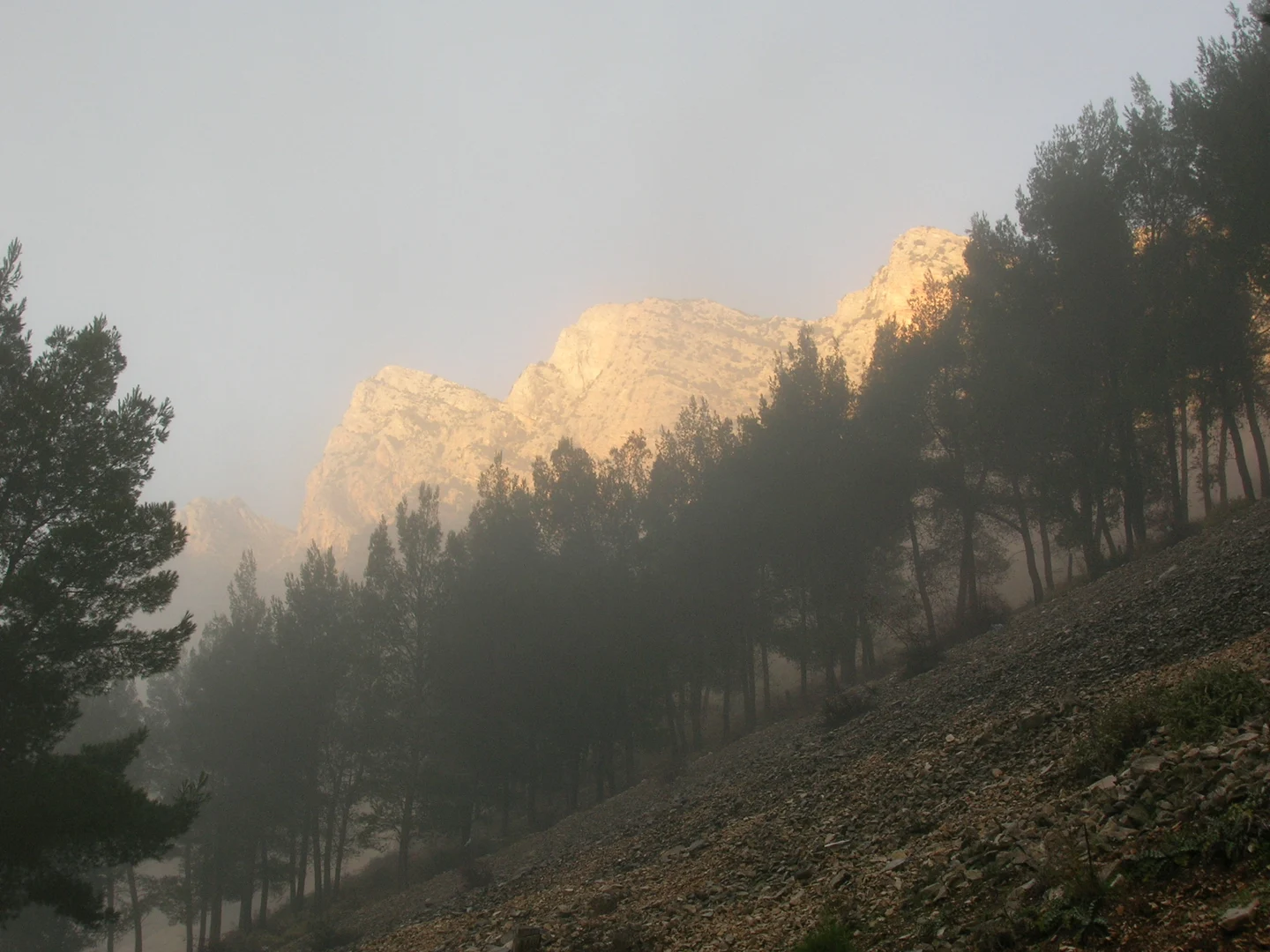
En breve. Albania suministra más del 60% de los mercados de especias premium de los Estados Unidos y Europa con especias salvajes (sherebelë). A diferencia del sabio cultivado de jardín cultivado con fertilizantes comerciales, Salvia balcánica salvaje crece naturalmente en las colinas áridas de piedra caliza bañadas por el sol a lo largo de los valles del río sur. Este microclima mediterráneo severo produce hojas de plata gruesas y aterciopeladas con concentraciones de aceite esenciales excepcionalmente elevadas, ricas en camphor, 1,8 córneas y ácido rosmarinico, cultivadas para infusiones de garganta calmantes, tés digestivos y frotes culinarios artesanales.
El Capital Global de Sage Salvaje
Pocos consumidores se dan cuenta de que el sabio fragante en su relleno de Acción de Gracias o tés apothecary a base de apothecary probablemente fue a mano de las colinas de piedra caliza silvestre del sur de Albania. Durante generaciones, las familias rurales de montaña han recogido Salvia silvestre en las laderas rocosas donde ningún otro cultivo puede crecer.
Debido a que las plantas son enteramente silvestres y norigadas, sus hojas son más pequeñas, más densas y mucho más aromáticas que las variedades cultivadas, produciendo intensos perfiles de aceite esenciales que resisten el calor culinario y el almacenamiento prolongado.
Cómo Brew Wild Sage Tea (Çaj Sherebele)
En los hogares de la aldea albanesa, el té de salvia silvestre es el clásico limpiador de la mañana y remedio de garganta de invierno. Para la elaboración, hojas de plata secas enteras de 2 a 3 en agua recién hervida (95°C) durante 4 a 5 minutos cubiertas. La infusión produce un licor de ámbar vigorizante con notas de pino-eucalipto y un cuerpo herbáceo y caliente.