In breve. Thymus capitatus cresce su ghiaioni calcarei e terrazzi fluviali asciutti. Le infiorescenze viola hanno tricomi peltati ricchi di monoterpeni fenolici, soprattutto carvacrolo e timolo. Questi oli contribuiscono alla barriera antimicrobica della pianta; i fiori sono una fonte estiva fondamentale di nettare per l’apicoltura montana.
Adattarsi all’aridità carsica
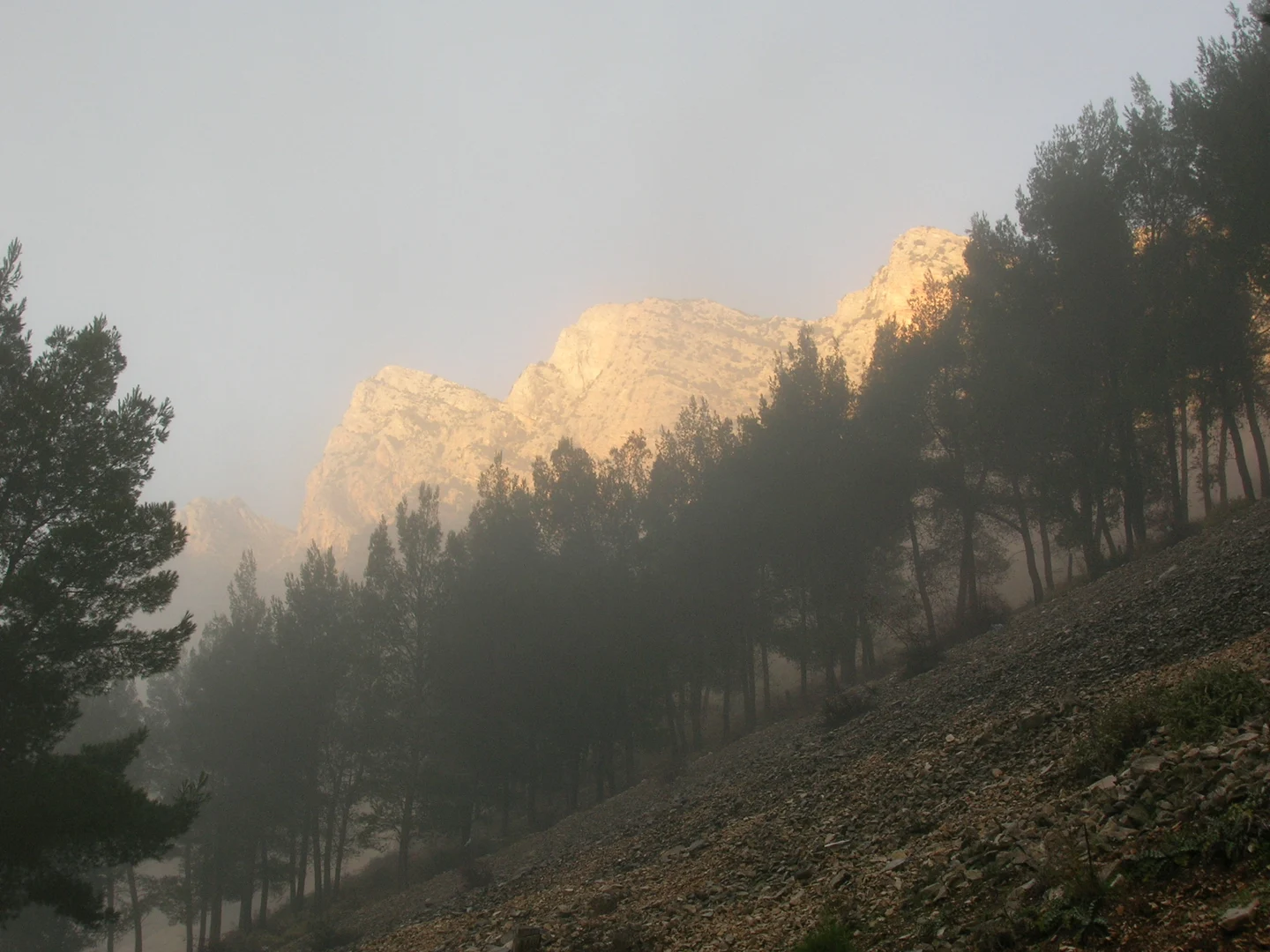
Con pochi centimetri di suolo nelle fessure, Thymus capitatus forma cuscini legnosi compatti che resistono alle piogge autunnali e alla siccità estiva mediterranea.
Le foglie piccole e aghiformi riducono la traspirazione; carvacrolo e p-cimene volatili scoraggiano gli erbivori e contrastano i funghi del suolo.
Chemotipi e infusi tradizionali
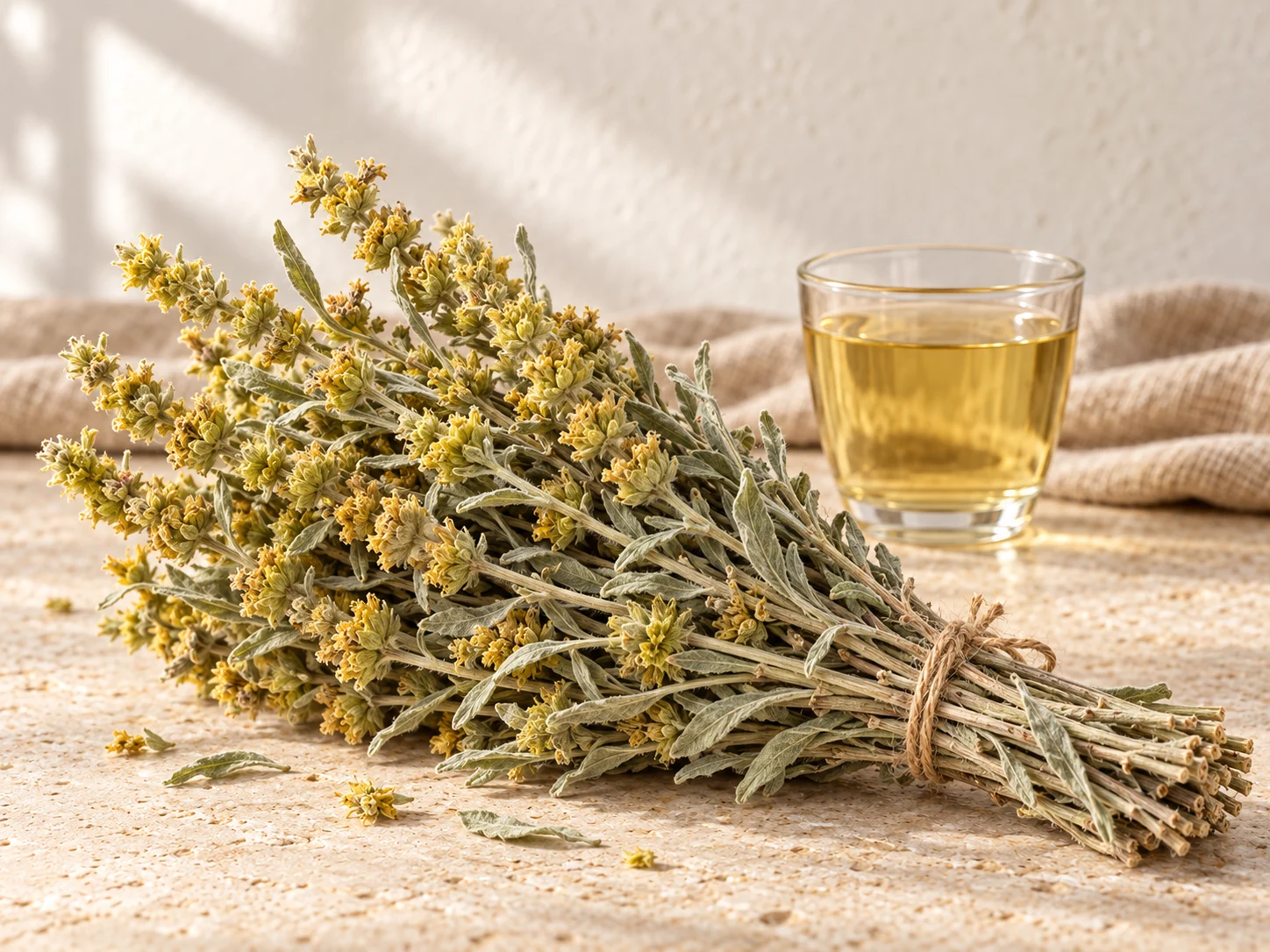
La gascromatografia del timo della Vjosa mostra la prevalenza del rapporto isomerico carvacrolo/timolo, responsabile di un aroma erbaceo intenso e sapido. Nelle case montane si lascia in infusione in acqua bollente con miele grezzo e tè di montagna per una bevanda autunnale calda.
Il nettare estivo
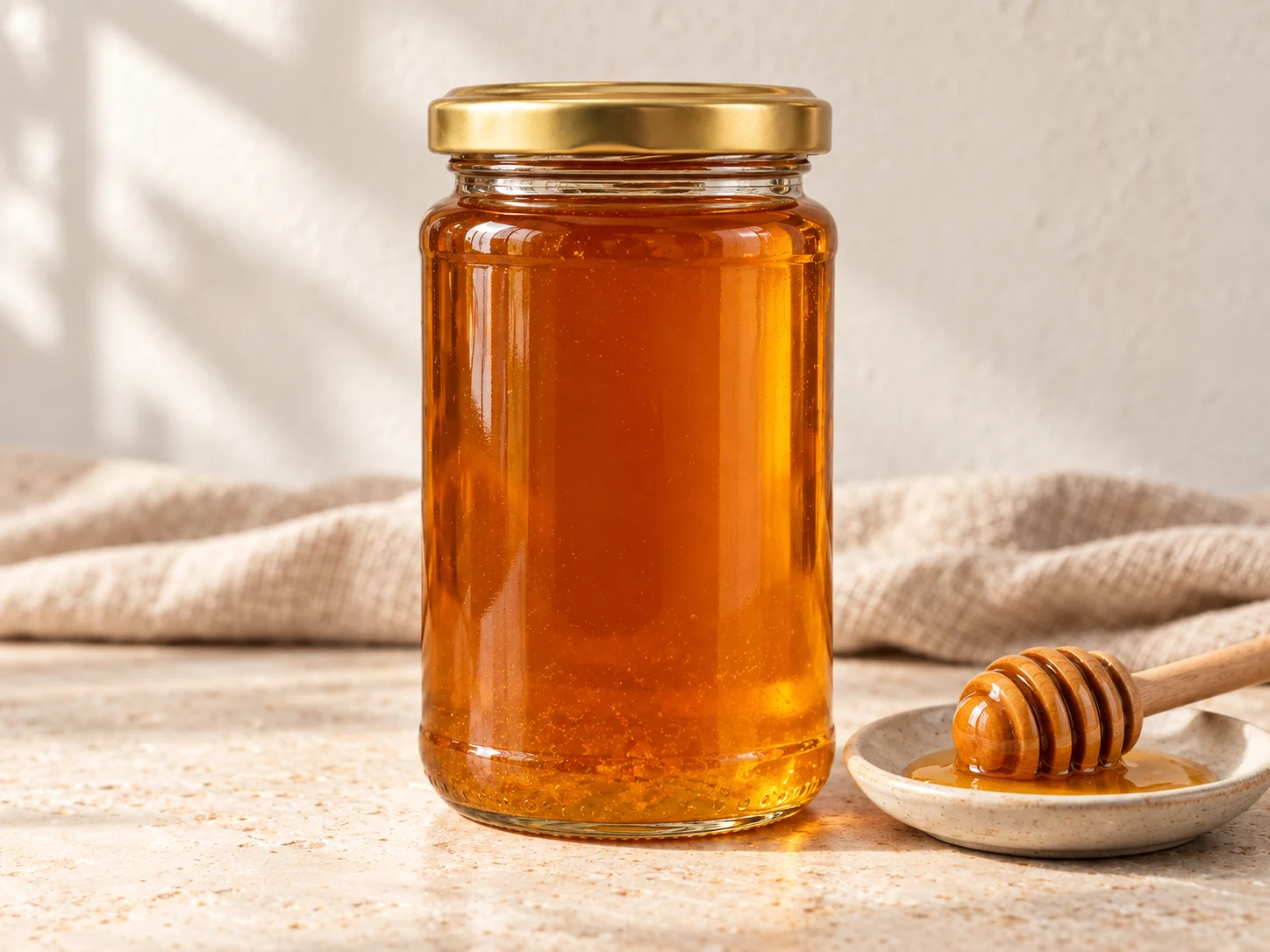
Durante la fioritura di giugno e luglio, gli apiari nomadi vicino a Këlcyrë e Përmet producono miele di timo e fiori selvatici, descritto come monoflora, con elevata attività diastasica e limpidezza ambrata.
- *Thymus capitatus* dei terrazzi carsici rocciosi.
- Aromi ricchi di carvacrolo, timolo e p-cimene.
- Fonte principale di nettare per il miele montano estivo.
- Tradizionalmente associato a Sideritis scardica nelle miscele invernali.