Short answer. Throughout the Balkans and southern Mediterranean, simmering a pot of wild mountain tea (çaj mali) is the universal household response to the first sign of a scratchy throat, cough, or winter chill. Scientific analyses validate this folk tradition: Sideritis scardica contains high concentrations of antimicrobial diterpenes, anti-inflammatory flavonoids (luteolin, apigenin, hypolaetin), and natural tannins that coat and soothe inflamed mucous membranes. When gently simmered and paired with a spoon of raw polyfloral mountain honey, the hot herbal infusion promotes respiratory hydration, clears sinus passages, and provides deep cellular antioxidant support without caffeine.
Antimicrobial and Anti-Inflammatory Bioactives
Research into Sideritis species has isolated key diterpenoid compounds—specifically siderol and linearol—which exhibit broad-spectrum antimicrobial and antiviral properties in vitro.
Simultaneously, the high content of water-soluble polyphenols and chlorogenic acid reduces systemic inflammatory cytokines, helping ease the achy, feverish discomfort associated with seasonal upper respiratory infections.
The Village Cold Remedy Decoction
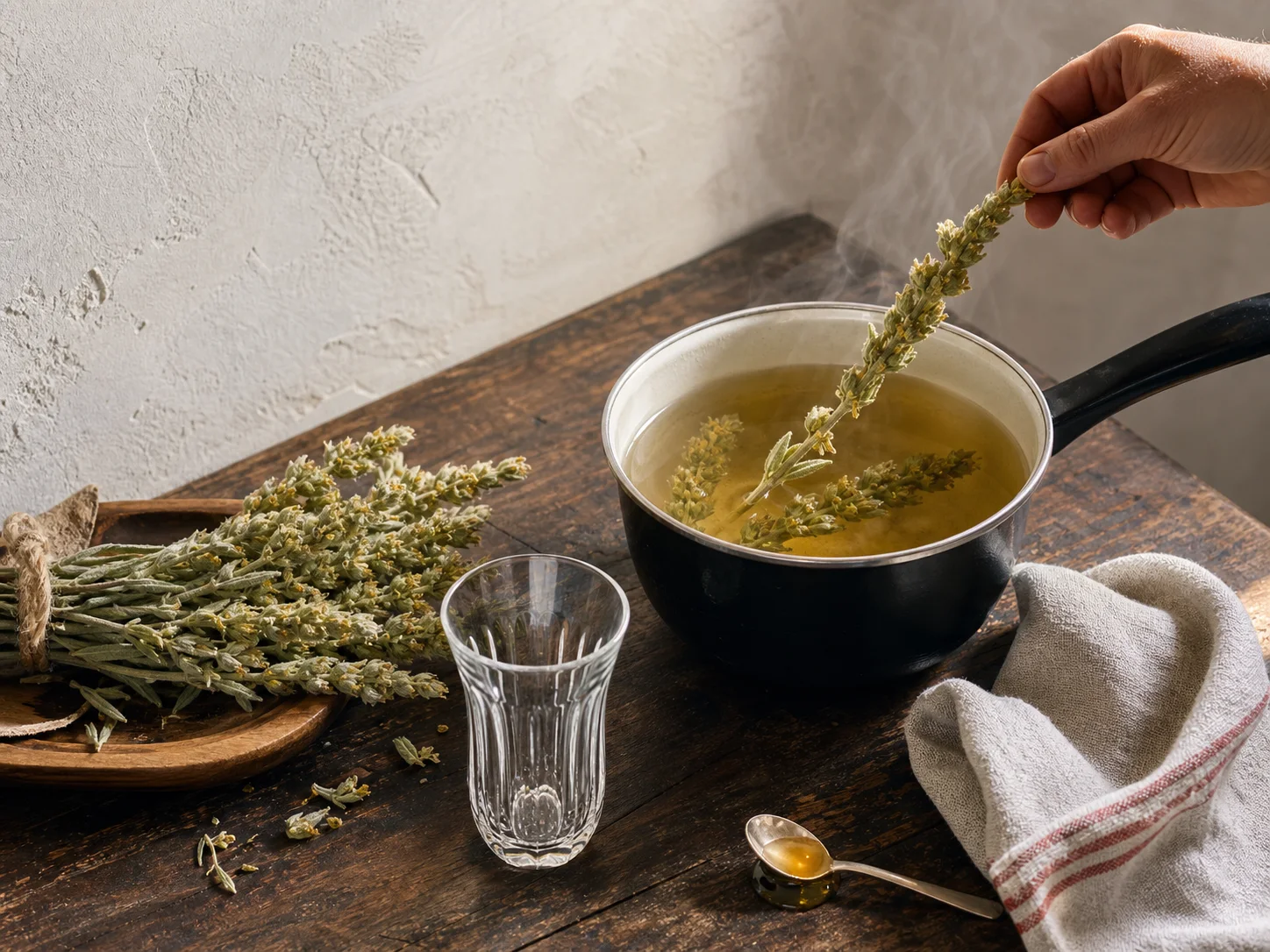
To brew a potent restorative pot: snap 3 whole Sideritis stems into a small saucepan with 500 ml of cold water and a thin slice of fresh organic lemon. Bring to a boil and simmer for 4 minutes covered. Strain into a mug, let cool slightly, and stir in a generous teaspoon of raw wild mountain honey.
Sip slowly while inhaling the aromatic steam.
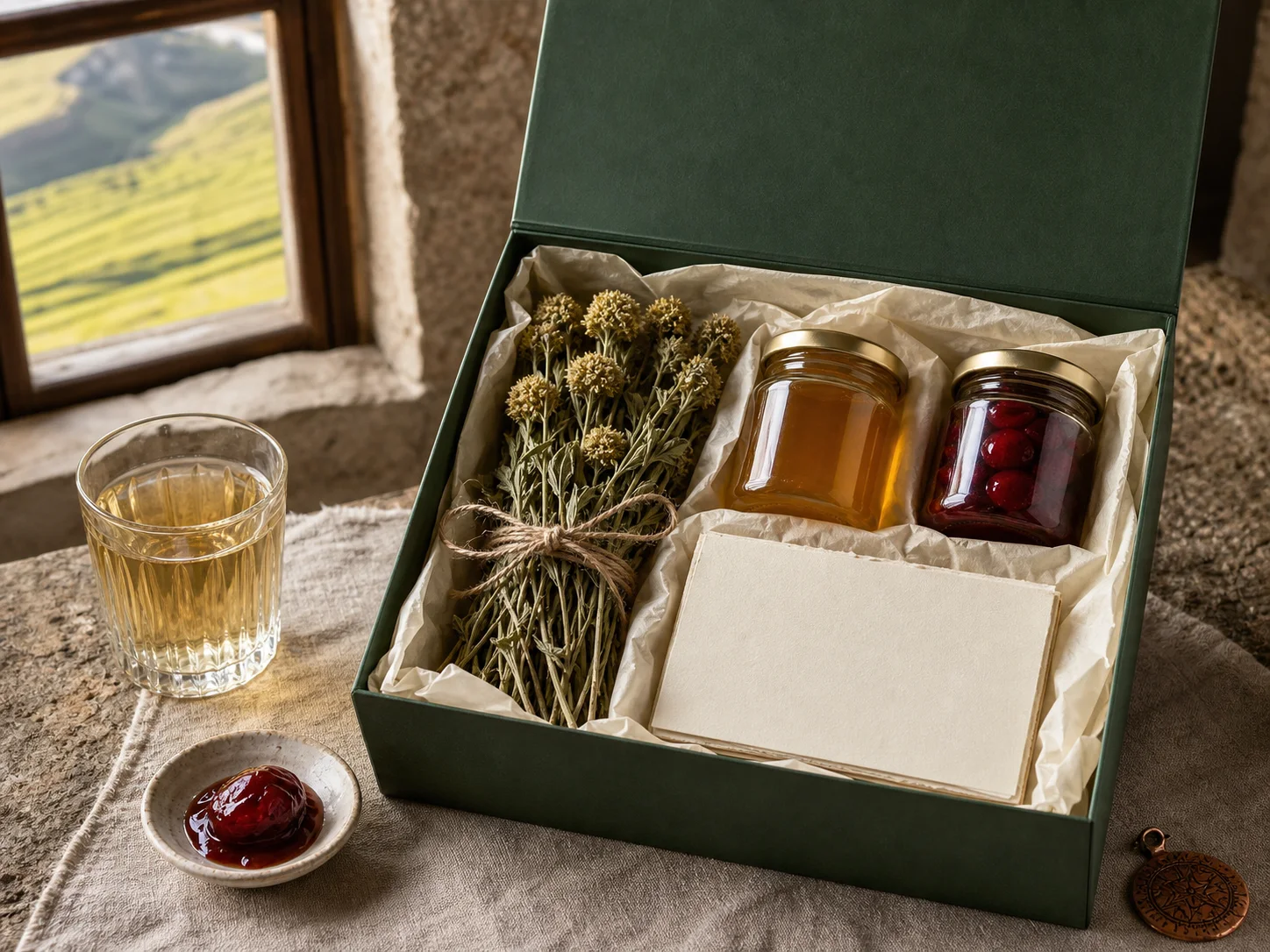
Order certified wild whole stems from our Mountain Tea Harvest.